A year after el-Fasher fell, a BBC count of 43 attacks on its hospitals lands as the RSF reopens them
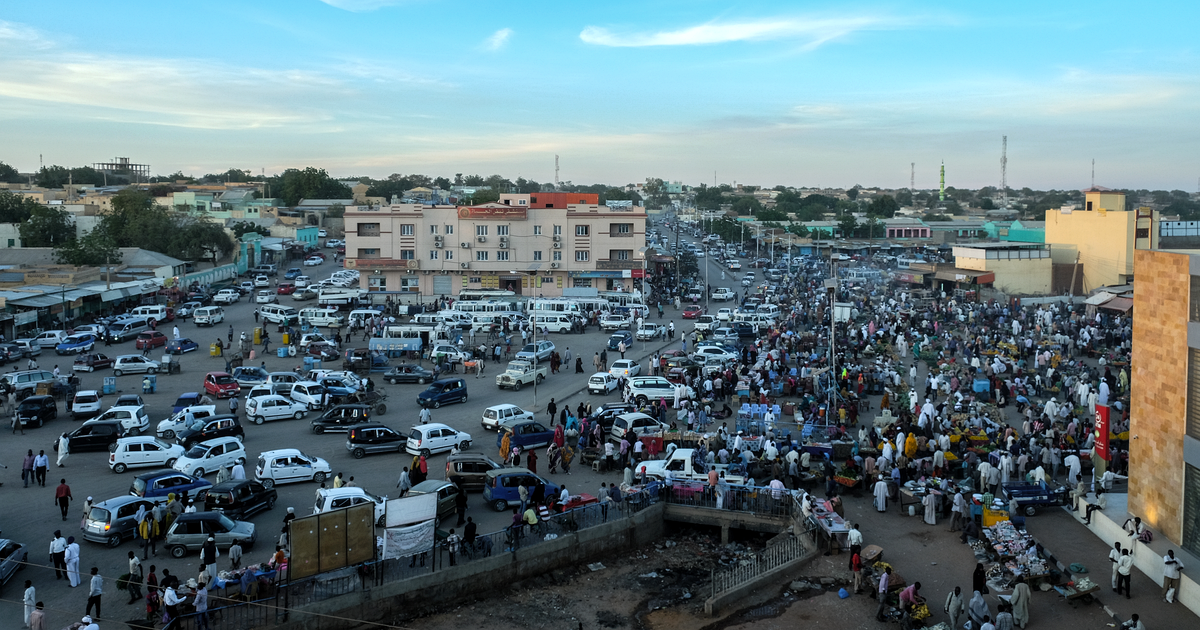
A year after Sudan's paramilitary Rapid Support Forces (RSF) captured el-Fasher, the North Darfur capital the army had held while the RSF took most of the rest of Darfur, a BBC investigation says it has found details of at least 43 separate attacks on the city's hospitals and health sites between May 2024 and October 2025, some of them hit several times. The UN human rights chief, Volker Türk, told the BBC the findings were "deeply disturbing" and that the RSF's attacks on civilian infrastructure, including health facilities, may amount to war crimes. The RSF rejects the findings; its health minister calls them propaganda. The RSF-backed government now runs health care in el-Fasher and has released videos of hospitals reopened.
What the investigation found
- The count: at least 43 attacks on hospitals and health sites from May 2024 to October 2025, built from sources who were on the ground in the city. From April 2023 to October 2025, 120 medical workers were injured, 55 killed and 10 forcibly disappeared or abducted, according to the BBC's data.
- A pattern, according to doctors: six doctors told the BBC the Saudi Maternity Hospital was struck up to 25 times on some days by shelling and drones. When the children's hospital and the main dialysis centre moved to new buildings, the new sites were attacked too, the BBC's timeline shows. By the time the city fell in October 2025, the Saudi Hospital was the only health facility still working.
- The end of the siege: on 25 October 2025 RSF fighters stormed the Saudi Hospital, the BBC reported. The UN Independent International Fact-Finding Mission for Sudan estimates that more than 460 people were killed there, "including patients, doctors, and wounded persons", and says the situation around el-Fasher shows "clear hallmarks of genocide" by the RSF, according to its February statement to the Human Rights Council. The RSF denies a massacre took place.
- What the UN had already documented: a February report by Türk's office on the RSF's final offensive found that medical staff "were shot inside health facilities, attacked while fleeing, or struck during indiscriminate shelling". It also verified reports that RSF fighters abducted medical workers for ransom, and found that the RSF turned hospitals, including the Children's Hospital, into informal detention sites. Türk told the BBC its new findings were consistent with his office's analysis.
- The World Health Organization told the BBC that el-Fasher is "one of the clearest and most severe examples" of the war's impact on health care in Sudan.
The RSF's answer
Dr Alaa Eldin Nugud, a surgeon who is now health minister in the RSF-backed government, told the BBC the accounts were "a continuation of lies" by the army and its allies. He said the South Hospital had been used as a military base and showed a video of weapons remains filmed more than a year after it closed. Under international law, a hospital can lose its protection if it is used to commit acts harmful to the enemy. The BBC said it found no independent evidence for his claim, and the Darfur regional government rejected it. Doctors told the BBC they believed the RSF targeted hospitals because army or allied fighters were among their patients.
Both sides stand accused. In March 2026 the WHO condemned the bombing of al-Daein hospital in RSF-held East Darfur, which killed dozens; Sudan's army is believed to have carried out the drone strikes and denies it, the BBC reported.
Why it matters
WatchfulEye's read: this is no longer only a record of the siege. The force accused of dismantling el-Fasher's health system now controls it, through the government it backs. That government has released videos of the Saudi and Teaching hospitals reopened and seeing patients, and its health minister says the South Hospital will follow. A detailed, dated record of attacks lands just as the RSF is presenting itself as a government that restores services. That puts two claims in direct conflict: that the RSF can run Darfur's institutions, and that it destroyed them. Which claim foreign governments, aid agencies and any future court accept will shape how far the RSF's parallel government is dealt with as a normal authority.
The record also matters for accountability. Intentionally attacking medical units is a war crime under international humanitarian law, the UN report notes, and that report already covered the final days of the same assault. A chronology of individual strikes, with dates and places, is the kind of material that investigators build cases from.
What is confirmed, and what is not
- On the record: the BBC's count and casualty figures; Türk's comments; the WHO's statement; the UN human rights office's February report and the Fact-Finding Mission's estimate for the Saudi Hospital; the RSF health minister's denial.
- Not independently verified: who carried out each of the 43 attacks. The BBC built its timeline from people on the ground, and both sides have been accused of hitting health facilities elsewhere in Sudan.
- Not established: the RSF's claim that hospitals were used by the army, and the current state of the reopened hospitals, which so far rests on the RSF-backed government's own videos. Amnesty International, publishing new testimony on 23 October, said humanitarian access to el-Fasher "remains limited" and that aid workers and other civilians there are "constantly surveilled or monitored".
Open questions
- Does the UN human rights office or the International Criminal Court, which has jurisdiction over Darfur, act on the new chronology?
- Can independent observers or aid agencies reach the reopened hospitals to check how they are run?
- Do attacks on health care continue as the front lines shift elsewhere in Sudan?