US politics · Public record
Trump revives election fraud claims six days after accepting midterm defeat
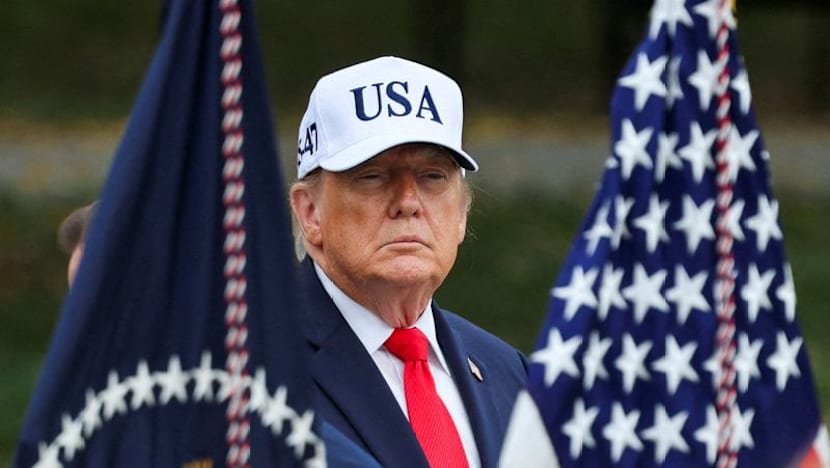
Six days after congratulating Democrats on their sweeping midterm victory and telling The New York Times he was willing to accept the results, President Trump reversed course with baseless fraud allegations. The shift echoes his 2020 election denial, which culminated in the January 6, 2021 Capitol attack.
What Trump said and when
On November 9, Trump wrote on Truth Social that early voting dumps were so large that winning was impossible and claimed machines were more important than voters. He asked whether anyone believed the election was honest and questioned why polls were wrong, offering no evidence of wrongdoing.
The statement came six days after Americans delivered Democrats their biggest House majority in nearly two decades and control of the Senate. On election night, Trump told The New York Times he was absolutely willing to accept the results and looked forward to working with Democrats. He subsequently told Fox News that Democrats did a good job.
On Thursday, Trump had demanded that votes for two minor candidates in Alaska's undecided Senate race be transferred to trailing Republican incumbent Dan Sullivan, calling it the only fair solution despite Alaska's ranked-choice voting laws.
Context and precedent
Trump's November 9 accusations echoed his repeated and unfounded claims that the 2020 presidential election had been stolen from him by Democrat Joe Biden. His refusal to accept that defeat sparked dozens of unsuccessful legal challenges and culminated in the January 6, 2021 attack on the Capitol by his supporters.
Trump offered no details of supposed irregularities, identifying neither the voting machines he questioned nor specific evidence that ballots had been improperly counted. Pre-election polls had generally pointed toward Democratic gains, although they underestimated the scale of the party's victories. Election officials across the country reported largely trouble-free voting.
Trump had previously blamed his party's defeat on his absence from the ballot, despite repeatedly urging supporters during the campaign to vote as though he were running himself. He also acknowledged that the deeply unpopular war with Iran, which sent fuel prices soaring, had contributed to the losses.
Who is affected
Senate Democratic leader Chuck Schumer said Trump's return to election denialism was inevitable and that nothing would stop the truth that Trump would face the largest Democratic congressional majorities in decades for the last two years of his presidency because he had been an unprecedented failure.
The Democrats' commanding congressional majorities will give them extensive powers to investigate Trump's administration and obstruct his legislative agenda when the new Congress takes office in January. Trump will retain his presidential veto and considerable executive powers.
Republican incumbent Dan Sullivan in Alaska faces an undecided Senate race under the state's ranked-choice voting system, which Trump challenged by demanding votes for minor candidates be transferred to Sullivan.
What to watch
- Whether Trump provides specific evidence or identifies which voting machines or jurisdictions he is questioning
- Whether Republican officials or election administrators respond to or validate Trump's fraud claims
- Whether Trump's allegations prompt legal challenges similar to those filed after the 2020 election
- How Democrats use their investigative powers when the new Congress takes office in January
What we don't know yet
- What specific voting machines or jurisdictions Trump is questioning
- What evidence, if any, supports Trump's claims about early voting dumps or ballot counting
- Whether other Republican officials will support or distance themselves from Trump's fraud allegations