The US moves to end AGOA access for South Africa and Rwanda. The preference at stake is narrow
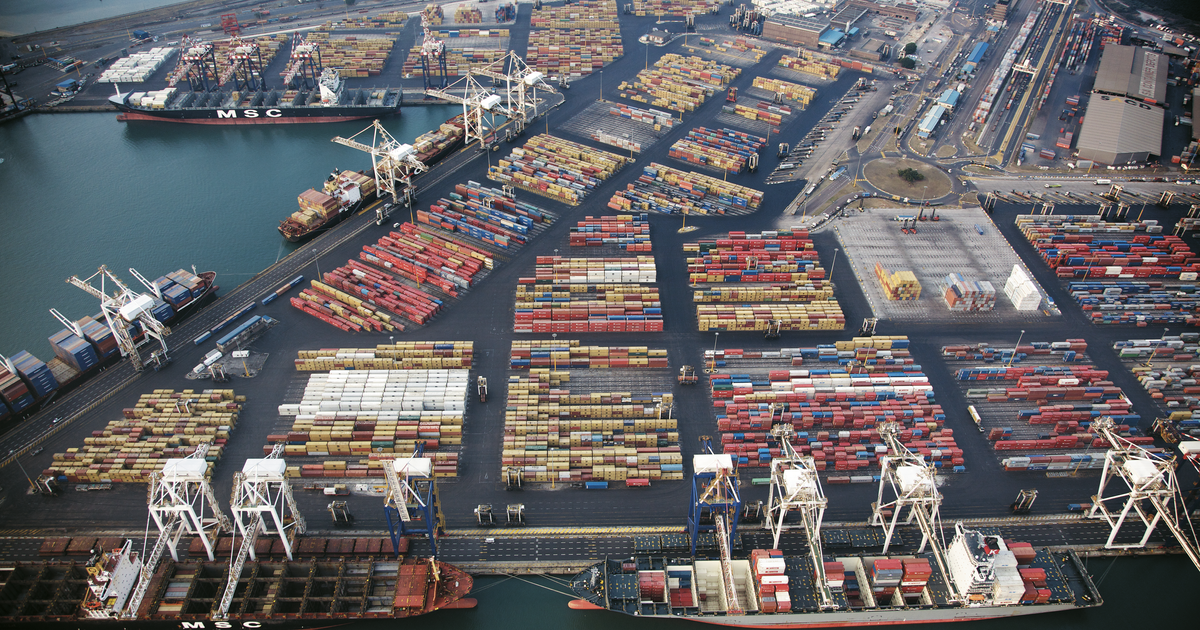
On Nov. 2, President Trump notified Congress and the governments of South Africa and Rwanda of his intent to terminate both countries from the African Growth and Opportunity Act (AGOA) as of Jan. 1, 2027, according to a statement from U.S. Trade Representative Jamieson Greer. The move does not stop trade. Both countries would lose a tariff preference, and for South Africa that preference covered about a tenth of its exports to the US in 2025. South Africa's trade ministry says there is a 60-day window to address US concerns before the date takes effect.
What was announced
- The mechanism. USTR said it led the annual interagency review of AGOA eligibility. Based on that review, the president "found that the governments of Rwanda and South Africa are engaging in practices that are inconsistent with AGOA's eligibility criteria." The notice went to Congress and to both governments (USTR, Nov. 2). AP reported that the decision followed findings that the two countries did not meet criteria including policies on trade barriers and alignment with U.S. foreign policy (AP, Nov. 2).
- The stated reasons. For South Africa, USTR named barriers to U.S. trade and investment, corruption, and threats to U.S. national security and foreign policy interests. For Rwanda, it listed trade and investment barriers, rule of law, political pluralism, internationally recognized worker rights, human rights, and threats to U.S. national security and foreign policy interests (USTR, Nov. 2).
- The date and the notice period. USTR set termination for Jan. 1, 2027. AFP reported that any removal requires 60 days' notice to Congress and the country concerned. South Africa's Department of Trade, Industry and Competition (dtic) described the announcement as a 60-day notice. Its exporter guidance says that if the US finds South Africa has addressed the issues raised, South Africa will remain part of AGOA (dtic, Nov. 2 and Nov. 3).
- The program itself continues. AGOA has been renewed through the end of 2028 and is reviewed every year (AFP, Nov. 2; AmCham South Africa, Nov. 3).
How narrow the South African exposure is
- In 2025, about 10% of South Africa's exports to the US entered under AGOA, down from 28% in 2024. About 89% entered on ordinary WTO most-favored-nation terms. AGOA exports were worth about $1.7 billion, roughly 1% of South Africa's global exports (dtic, Nov. 2; also cited by AFP and Reuters).
- AmCham South Africa, citing XA Global Trade Advisors, put AGOA's net tariff preference for South Africa at about 3.5%. Annual duty savings are under R2 billion and are concentrated in a small number of companies (AmCham SA, Nov. 3).
- The exposure sits in a few sectors. AmCham names automotive as the largest employment risk, and citrus, wine, table grapes and nuts as the most affected agricultural lines (AmCham SA, Nov. 3). Reuters reported that new U.S. tariffs on South African automotive exports last year had effectively cancelled out the AGOA benefit (Reuters via CNBC Africa, Nov. 3).
- Agricultural economist Wandile Sihlobo told Reuters that most products would face an additional tariff of around 3.4%. Business Unity South Africa put likely job losses in the range of a few thousand (Reuters via CNBC Africa, Nov. 3). The Citrus Growers' Association called the move "a serious blow" for jobs and towns that depend on the industry (AFP, Nov. 2).
- Rwanda's exposure is smaller. Rwanda has been partly suspended since 2018 and cannot export apparel under AGOA. Its AGOA exports include coffee and minerals (Reuters via CNBC Africa, Nov. 2).
Context and inference (labeled)
- Inference (experts quoted by Reuters): Rwanda and eastern DRC. USTR's statement does not mention the Democratic Republic of Congo. Experts quoted by Reuters said the decision on Rwanda was "most likely linked" to the conflict in eastern DRC, where Washington says Rwanda is backing rebels. The US has already sanctioned a number of Rwandan individuals and institutions, including the military (Reuters via CNBC Africa, Nov. 2). This is the experts' reading, not a stated US rationale.
- Inference (WatchfulEye): different concerns for each country. The stated reasons differ. Corruption is listed only for South Africa. Rule of law, political pluralism, worker rights and human rights are listed only for Rwanda. Both decisions came through the same annual eligibility review.
- Inference (WatchfulEye): room to talk before Jan. 1. The dated notice, the dtic's reading of the 60-day window, and AmCham's note that the annual review leaves a path to reinstatement all point to time for talks before the termination takes effect.
Uncertainties
- It is not clear what Pretoria or Kigali would need to do within the window to change the outcome. USTR's list is broad and names no specific steps.
- Trade Minister Parks Tau said Washington had raised issues that were not part of earlier negotiations (AFP, Nov. 2; dtic, Nov. 2). That makes the bar for staying in the program harder to read.
- Duty estimates vary by tariff line. The roughly 3.5% (XA Global Trade Advisors) and 3.4% (Sihlobo) figures are averages, not rates that apply to every line.
Open questions
- Will South Africa make formal representations before Jan. 1, and will USTR respond publicly?
- Does the next annual review offer a quick route back?
- Will other AGOA members read eligibility as tracking foreign-policy alignment?
Sources: USTR (Greer statement, Nov. 2); AP (Michelle Gumede, Gerald Imray, Nov. 2); Reuters via CNBC Africa (Nov. 2, Nov. 3); AFP (Nov. 2); South Africa dtic (Nov. 2, Nov. 3); AmCham South Africa (Nov. 3).