Ebola reaches Nigeria: a woman who flew in from Uganda is confirmed in Abuja after days in a private hospital
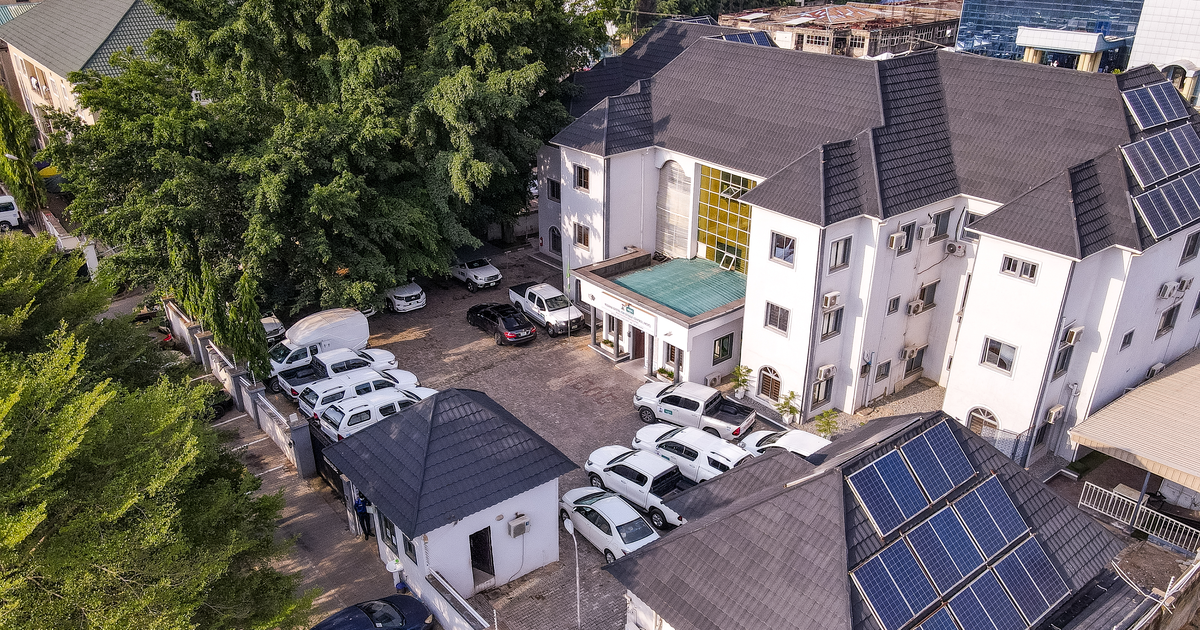
Nigeria confirmed its first Ebola case of the current outbreak on Tuesday 20 October, after a laboratory test that day. The patient is a woman who recently arrived in Nigeria on an international flight from Uganda, according to a statement signed by Coordinating Minister of Health and Social Welfare Muhammad Ali Pate, also reported by Premium Times. The statement says she was admitted to a private hospital in the Federal Capital Territory, Abuja, and received care there for several days before the diagnosis was confirmed. She began showing symptoms on 7 October and was admitted on 11 October, DW and Al Jazeera reported. She is now in isolation and receiving care, the statement said.
What happened
- Contacts: health teams have identified 44 close contacts so far, including healthcare workers, patients, caregivers and travel contacts, the government statement said. It asked airline passengers who may have been exposed to cooperate with tracing.
- Instructions to hospitals: the government told all public and private health facilities to be on high alert, keep "a high index of suspicion", isolate suspected cases and report them immediately. It said the hospital where the patient was treated is receiving support to strengthen infection control.
- The minister: "We are doing everything possible to contain this case by tracing all the contacts the individual may have had," Pate said, Al Jazeera reported.
- Preparedness: the Nigeria Centre for Disease Control and Prevention (NCDC) raised its preparedness level after the outbreak in the Democratic Republic of Congo. A 22 September advisory said travellers from affected countries could be asked to fill in a health declaration covering the previous 21 days, Premium Times reported.
- Same day, Kenya: Kenya confirmed its ninth case, a man who was already in quarantine. Kenya's health ministry said all nine cases belong to one cluster linked to its first patient, with no evidence of spread outside that group, Al Jazeera reported.
Why it matters
WatchfulEye's read: two dates in the official account matter more than the headline. The patient was ill from 7 October and in a private hospital from 11 October, and the case was confirmed on 20 October. That helps explain why the contact list already includes health workers and other patients. Neither the statement nor the reporting so far says when Ebola was first suspected or when she was isolated, so how long she was cared for without Ebola precautions is not yet known. Nigeria's 2014 outbreak also began with one infected traveller, from Liberia, arriving in Lagos. That outbreak reached 19 confirmed cases and one probable case, with eight deaths, before the World Health Organization declared Nigeria free of transmission on 20 October 2014, according to WHO records cited by Premium Times. Tuesday's confirmation fell on that anniversary.
The second point is where she was infected. Uganda recorded 20 cases in May and June, mostly imported from Congo, and then ended its outbreak after the required 42 days without a new confirmed case, Premium Times and Reuters reported. Uganda's Ministry of Health has since given its account. Citing preliminary information, it said the patient is a Nigerian woman who had travelled to eastern Congo for business and "transited through Uganda in early October without showing symptoms", falling ill after she reached Nigeria, according to the statement as published by Vanguard and People Daily. The ministry said her transit "does not establish" that she was infected in Uganda, that the place of exposure is still under investigation and that Uganda has no confirmed active Ebola cases. It has asked Nigeria for her travel itinerary and clinical history. The World Health Organization's Africa office, citing Nigeria's health ministry, said her symptoms began four days after she arrived in Nigeria and that investigations are continuing to establish the likely source of infection. Nigerian authorities have not yet confirmed the Congo leg of her journey. If Uganda's account holds, the case looks like Kenya's first, a patient who travelled from Congo through Uganda, and would point to travel routes out of eastern Congo rather than undetected spread in Uganda. Until the source is established, whether the case reopens Uganda's Ebola-free status, as DW said it could, remains open.
The strain also matters. This outbreak is caused by the Bundibugyo ebolavirus, for which there is no licensed vaccine or specific treatment, Al Jazeera reported. The outbreak has recorded more than 9,000 confirmed cases and more than 4,300 deaths, a fatality rate of almost 50%, almost all of them in Congo, DW reported. Nigeria is Africa's most populous country, and the case is in its capital.
What is confirmed, and what is not
- On the record: one laboratory-confirmed case in Abuja, confirmed on 20 October; symptom onset 7 October; private-hospital admission 11 October; arrival from Uganda by international flight; 44 close contacts identified; the patient in isolation (Federal Ministry of Health and Social Welfare statement; DW; Al Jazeera).
- Not established: where the patient was infected; her full travel route, including whether she was in eastern Congo, as Uganda's health ministry says preliminary information indicates; when Ebola was first suspected and when she was isolated; how many of the 44 contacts are health workers; whether any contact is unwell.
- Not yet reported: Nigerian confirmation of her travel before Uganda, or Nigeria's response to Uganda's request for her itinerary and clinical history.
Open questions
- Will Nigerian investigators confirm Uganda's account that she had been in eastern Congo, and where was she exposed?
- How long was she treated before Ebola was suspected, and how many staff and patients were exposed in that time?
- Are fellow passengers on her flight being traced, and in which countries?
- Does WHO or Africa CDC change its regional risk assessment after a case in West Africa?