Congo's Ebola outbreak passes 10,000 confirmed cases, with no approved vaccine for the strain behind it
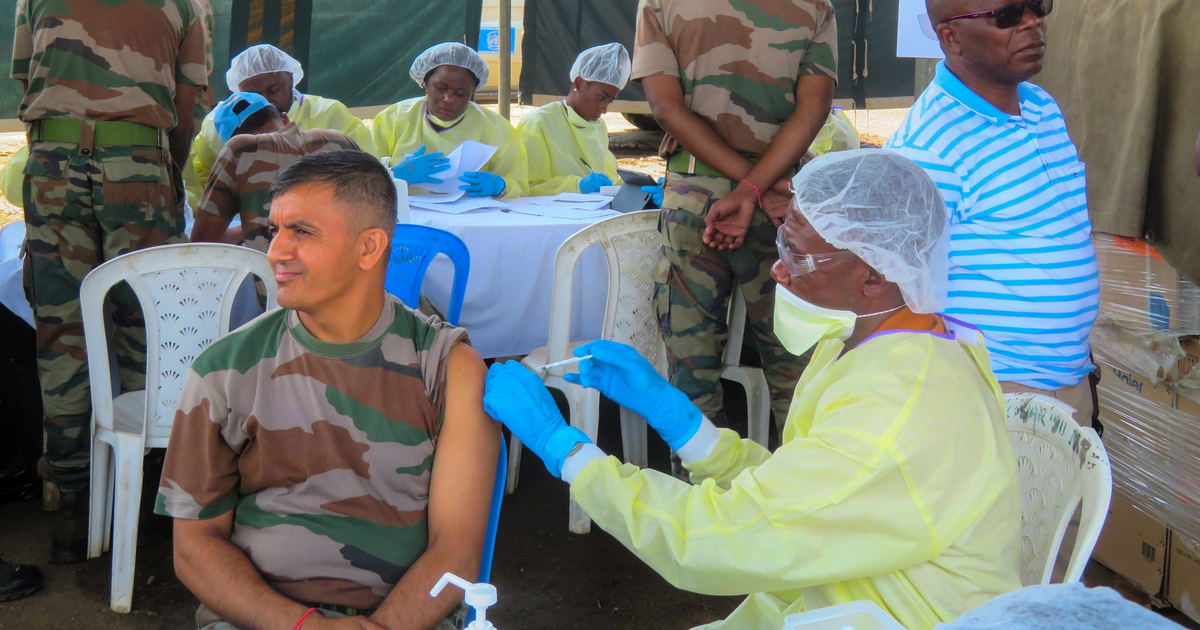
The Democratic Republic of Congo has recorded more than 10,000 confirmed Ebola cases since the outbreak was declared in May. The Bundibugyo virus driving it has no approved vaccine or specific treatment, cases have reached Kenya and Nigeria, and responders are being attacked.
What happened
The number of confirmed Ebola cases in Congo has risen to 10,060, with 4,887 deaths, as of October 25, according to the latest situation report from the country's public health institute, Reuters and AP reported. The World Health Organization's most recent outbreak notice, published October 23, counted 9,704 confirmed cases and 4,687 deaths as of October 20, in 66 health zones across eight provinces.
Both counts are confirmed cases; the WHO figure is five days older than the ministry figure. DW reported the 10,060 figure as "more than 10,000 cases."
The outbreak was declared on May 15, according to UN News. It is the largest and deadliest in Congo's history, surpassing the 2018–2020 epidemic, and the second-largest on record behind the 2014–2016 West African outbreak, Reuters reported. The Africa Centres for Disease Control and Prevention describes it as the fastest-growing Ebola outbreak in history, DW reported.
Ituri province remains the epicenter, with 7,040 confirmed cases and 3,271 deaths as of October 20, followed by North Kivu with 2,146 cases and 1,199 deaths, according to WHO.
Why the strain matters
The outbreak is caused by the Bundibugyo virus, a rare species of Ebola. There is no approved vaccine or specific treatment for it, DW and WHO said. The licensed Ervebo vaccine is approved only against a different species, Zaire ebolavirus, DW reported.
Trials are under way. A Phase 2/3 vaccine trial called TUMAINI enrolled its first participants in Bunia, Ituri's capital, on October 23, according to WHO and ECDC. Clinical trials of two antiviral treatment approaches have been running since July, DW reported.
Without a vaccine, WHO says control depends on finding and isolating cases, tracing contacts, safe burials and community engagement.
Attacks on health workers
A nurse was killed and another health worker severely injured in Bafwasende, in Tshopo province, while responding to an Ebola alert, according to WHO, as reported by AP. Local youths accused the two of contaminating water sources and spreading the virus, the BBC reported, citing the UN-backed Radio Okapi. Other health workers were sheltering at the town's general hospital under police guard, a local health official told Reuters. Accounts differ on the day of the attack: Reuters said Friday, October 23, UN News said Saturday, October 24, and Congo's state news agency ACP said Sunday.
"I strongly condemn this attack and call for a thorough investigation," said Julien Harneis, the UN's senior Ebola response coordinator, according to UN News. WHO Director-General Tedros Adhanom Ghebreyesus said: "Everyone working to protect communities from this deadly disease must be able to work in dignity and safety." Attacks have targeted hospitals, vehicles and staff involved in the response, Reuters reported.
Spread beyond Congo
Kenya has confirmed nine cases, including two deaths, all linked to a traveler who came from Congo through Uganda, according to WHO and ECDC. Nigeria confirmed an imported case on October 20 in a woman who had flown in from Uganda, according to WHO; she was medically evacuated to Switzerland on October 26, according to ECDC, citing Nigeria's health minister.
Uganda has said that citizens returning from Congo will be quarantined for 21 days and has restricted non-essential travel across the border, Reuters and the BBC reported.
For the cases abroad, see Kenya's first Ebola case and Nigeria's first Ebola case in Abuja.
Analysis
Detection. Of the 482 deaths WHO recorded between October 8 and October 20, 307 happened in communities rather than treatment centers. Inference: a high share of deaths outside treatment centers usually means some cases are found late or not at all, so the confirmed count is likely to understate the real number of infections. WHO has not given an estimate of undetected cases.
Violence. Inference: attacks fueled by misinformation can pull trained staff out of affected areas and discourage sick people from seeking care, which works against the case-finding and contact tracing the response depends on.
Travel measures. Inference: both cases abroad involved travel through Uganda, which has not reported cases since August, according to the BBC. That is the context for Uganda's new quarantine rule.
What we don't know
- Whether the TUMAINI trial or the antiviral studies will produce a usable tool during this outbreak.
- How many infections are going undetected.
- Who carried out the Bafwasende attack and whether anyone has been arrested.