A Russian satellite spent last weekend within 500 metres of a US-operated radar satellite linked to Ukraine
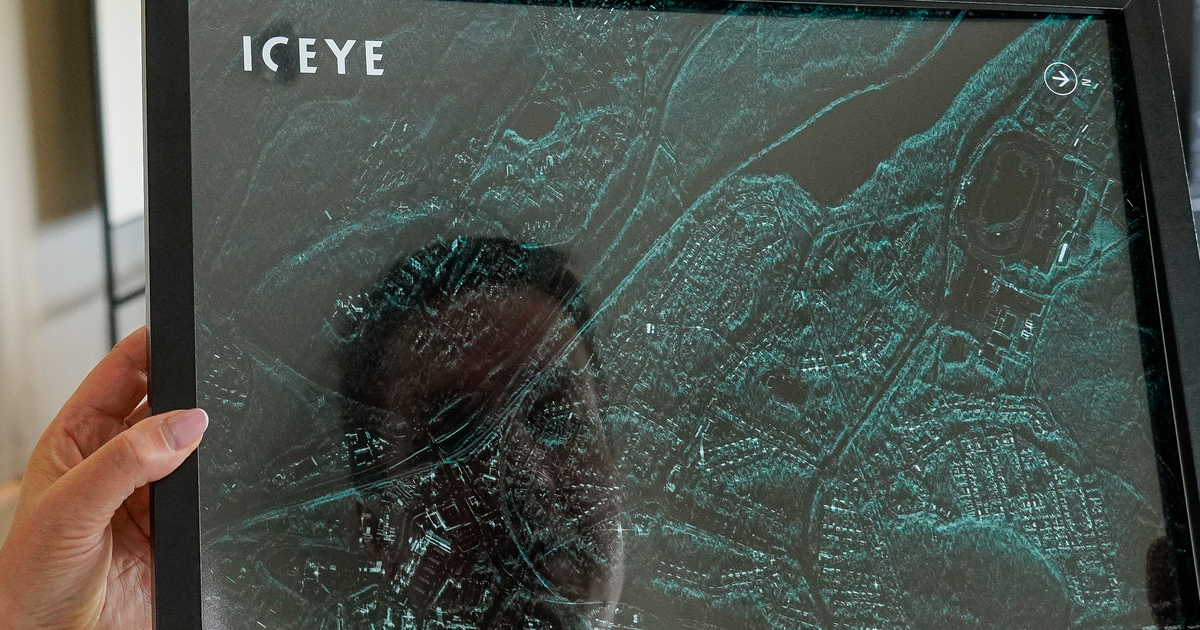
A Russian military satellite, Kosmos 2612, closed to within about 500 metres of ICEYE-X36, a commercial radar-imaging satellite operated by the US arm of Finland's ICEYE, over the weekend of 17 and 18 October, the orbital-tracking company LeoLabs said on Monday 19 October, as reported by Ars Technica and Breaking Defense. "This was not a routine conjunction or 'fly by'," LeoLabs said. Ukraine's military has used ICEYE imagery since 2022, Ars reported, and Breaking Defense said this satellite is widely believed to be supplying it; that has not been publicly confirmed.
What happened
- The approach: LeoLabs said Kosmos 2612 "conducted a deliberate series of maneuvers toward ICEYE-X36" between 15 and 19 October, moving between positions ahead of and behind it, loitering nearby and then leaving under control, according to Ars Technica. Adam Marsh, LeoLabs' vice president for technical solutions, told Ars the two were within 500 metres and "likely quite a bit closer than that."
- The build-up: Kosmos 2612 was launched from Plesetsk on 16 April 2026, according to Dutch satellite tracker Marco Langbroek, who logged manoeuvres on 30 September and on 12, 15 and 16 October that matched its orbit to ICEYE-X36. The Center for Strategic and International Studies said several satellites from the same six-satellite launch had shifted their orbital planes toward the ICEYE satellite earlier in the year, a costly move in fuel.
- The exit: as of Monday, Kosmos 2612 was moving away at about 17 km/h relative to ICEYE-X36, Marsh told Ars. There were no reports of physical damage.
- ICEYE: "We are aware of the situation and tracking it closely," an ICEYE US spokesperson told Ars. "Our constellation architecture is designed for continuity and resilience." ICEYE has launched about 80 satellites, Ars reported.
Why it is being called a first
LeoLabs says it is the first time it has seen a satellite in low Earth orbit rendezvous with another, stay for days and get very close without the owner's consent, Marsh told Ars. "This is the most advanced and potentially dangerous uncooperative RPO we've observed," Marsh told Breaking Defense, using the industry term for rendezvous and proximity operations. Russia has previously parked satellites near US government spy satellites, Ars reported, but this target is commercial and the Russian craft got far closer and stayed longer.
Why it matters
WatchfulEye's read: much of what Ukraine sees from space comes from companies and allies. This approach follows two disputes over US-controlled channels Ukraine relies on, which WatchfulEye covers on its Starshield page and its missile-warnings page. ICEYE's dedicated-satellite agreement, announced in 2022, is with Ukraine directly, Breaking Defense reported, which makes commercial radar imagery one of the channels Kyiv controls more directly. A Russian official said in 2022 that civilian satellites supporting Ukraine's military are a "legitimate target", Ars noted. Retired Lt. Gen. John Shaw, a former deputy commander of US Space Command, told Ars the best reading is "clear messaging" that Russia will act aggressively near platforms it sees as threats.
The military effect of losing one satellite would be small: Ars noted that taking out one satellite in a constellation of dozens would have little effect on ICEYE's capacity to serve its customers. The larger question is the precedent, because ICEYE-X36 was launched from the United States in 2024 and is operated by ICEYE US, which makes the United States its launching state, Victoria Samson of the Secure World Foundation told Breaking Defense.
What is confirmed, and what is not
- On the record: the approach and its timing, from LeoLabs' radar tracking and independent observers; ICEYE US's statement that it is tracking the situation; no reported damage.
- Not established: whether ICEYE-X36 itself supplies Ukraine. ICEYE has said it provides Ukraine with imagery from a dedicated satellite but has never named which one, Breaking Defense reported. Russia's purpose is not known; Moscow has not commented in the reports reviewed.
- No official reaction: Scientific American reported no explanatory statements from Russian or US defence officials. "This does make me wonder why the USG has been silent," Samson told Breaking Defense.
- Figures differ: Ars says at least four of the six satellites from the April launch adjusted orbits toward ICEYE-X36; CSIS says five raised their inclinations.
Open questions
- Will Washington, Helsinki or the EU say anything about a non-consensual approach to a US-registered satellite?
- Does ICEYE-X36 keep operating normally, and will its users say so?
- Will Kosmos 2612, or the other satellites from its launch, line up on another commercial satellite?
- Do other imagery providers serving Ukraine change how they fly or disclose their fleets?