Ukraine says no US warning came before missiles hit Kyiv power plants. Rubio says "there has been no pause."
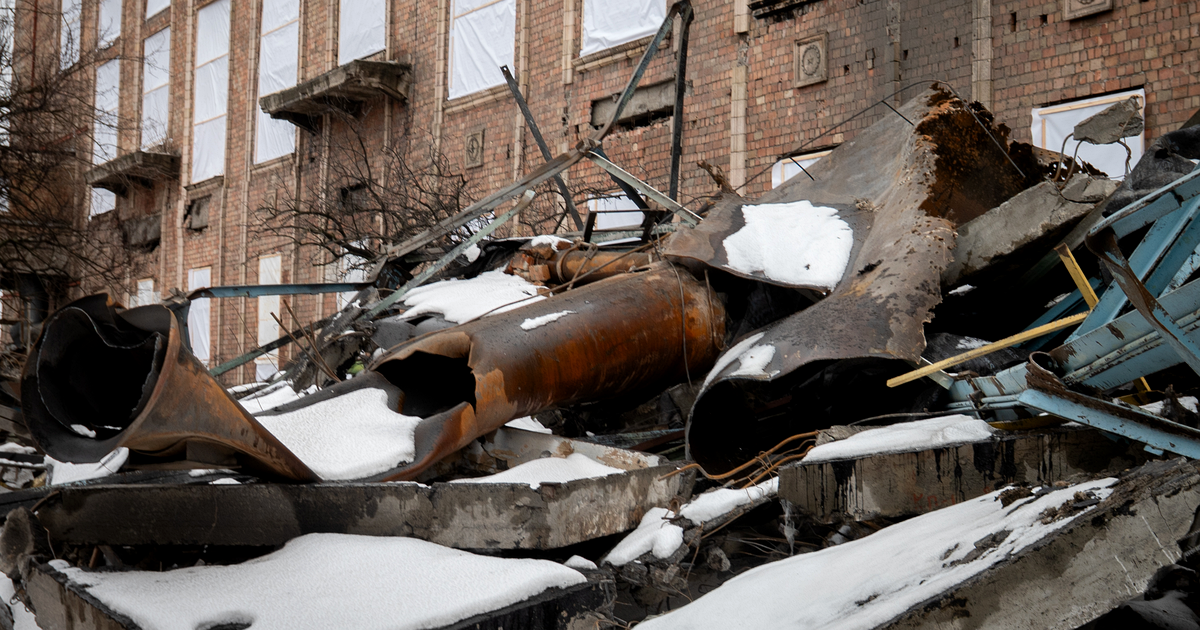
Russia fired ballistic missiles at Kyiv in several waves overnight into Monday 19 October, and Ukraine says the early warning it normally gets from the United States did not arrive before the first wave. Yuri Ihnat, a spokesperson for Ukraine's Air Force, said Ukraine had no warning before a barrage hit power plants in Kyiv at around 11pm on Sunday, Kyiv time, but did receive one before a later strike at 3am, the Guardian reported. On Monday, asked about President Volodymyr Zelenskyy's statement that Washington had paused and then resumed some intelligence sharing, Secretary of State Marco Rubio told reporters in Uzbekistan: "There has been no pause," Al Jazeera reported.
What happened overnight
- The strike: Zelenskyy said Russia fired 16 ballistic missiles, with Kyiv and the surrounding region the main targets, and that more than 10 energy facilities were damaged across the country, leaving at least 550,000 families without power, the Kyiv Independent reported.
- Drones and cruise missiles: Ukraine's Air Force said Russia launched 269 Shahed-type drones, that 243 drones and four cruise missiles were shot down or suppressed, and that strikes hit 25 locations. It did not say how many ballistic missiles were shot down, according to the Kyiv Independent.
- Casualties: Kyiv city authorities said one person was killed and eight were injured, the Kyiv Independent reported. A metro station, a medical facility, an educational institution and a non-residential building were damaged, according to the State Emergency Service, Al Jazeera reported.
- Russia's account: Russia's Defence Ministry said it hit a data centre, a logistics hub storing drone and cruise-missile parts, a train depot storing missiles and a facility producing drones. Ukraine did not confirm those targets, DW reported.
Three accounts of the warnings
- Zelenskyy, Sunday: on NBC's "Meet the Press", he said US intelligence sharing had been interrupted but was later "deblocked". "Now it works," he said, according to Al Jazeera.
- Zelenskyy, Monday: "Another Russian ballistic missile attack came in several waves overnight, and once again, there was no early warning from our partners," he wrote on X, the Kyiv Independent reported.
- Rubio, Monday: "If it happened last night, I don't know exactly. I know a few nights ago there was a software problem involving their early warning system," he said, according to the Guardian. He said US European Command had looked into that earlier problem and that the software explanation was "the report they gave us back", adding: "I can't comment on what happened last night," the Kyiv Independent reported.
The Guardian reported that US officials had not previously mentioned a software problem, and that in at least one case Ukrainian officials had been told bad weather over southern Russia hid preparations for a launch. Ukraine has said it was not warned on at least three days in the past week, according to the Guardian.
What is confirmed, and what is not
- On the record: Ukraine's Air Force says there was no warning before the 11pm wave and a warning before the 3am wave. Rubio denies any pause in intelligence sharing, points to a software problem "a few nights ago" and says he cannot comment on Sunday night.
- Not established: whether the missed warning on Sunday night was a decision, a technical fault or weather. As of Monday morning (US Eastern time), we found no public explanation from European Command or the Pentagon for Sunday night.
Why it matters
WatchfulEye's read: "no pause" in intelligence sharing and "no warning" before a strike are different claims, and both can be true at once. A sharing channel can stay open while specific alerts fail to arrive. For people in Kyiv the difference is measured in minutes: the Guardian reports that for years US warnings gave authorities several minutes to sound alarms and let civilians reach shelters before strikes hit. On Sunday night, Kyiv Independent journalists said, the first explosions came as the sirens were sounding.
The dispute sits inside a wider row. Ukraine has also complained of slowed US deliveries of PAC-3 air defence missiles, the Guardian reported. On Sunday, Donald Trump defended his decision to waive some sanctions on Russia, writing on Truth Social that he did not want to "drive, foolishly, Russia away from the bargaining table", and accused Zelenskyy of not wanting to end the war, Al Jazeera reported. Earlier this month, two European officials told CNN the administration had warned Ukraine and European allies that the US could suspend intelligence sharing if Kyiv did not halt its deep strikes on Russian energy facilities; WatchfulEye's energy ceasefire page covers that warning. Zelenskyy said the US deal to import Russian diesel would hurt Ukraine, according to Al Jazeera; WatchfulEye has a page on what that diesel licence allows.
Open questions
- Will European Command or the Pentagon say why no warning came before the 11pm wave?
- Will Washington explain the software problem Rubio described, and whether it has been fixed?
- Will warnings arrive before the next ballistic attack on Kyiv?
- Will US deliveries of PAC-3 interceptors to Ukraine speed up again?