Trump announces a Russia-Ukraine "energy ceasefire" that Kyiv says was news to it and Moscow has not confirmed
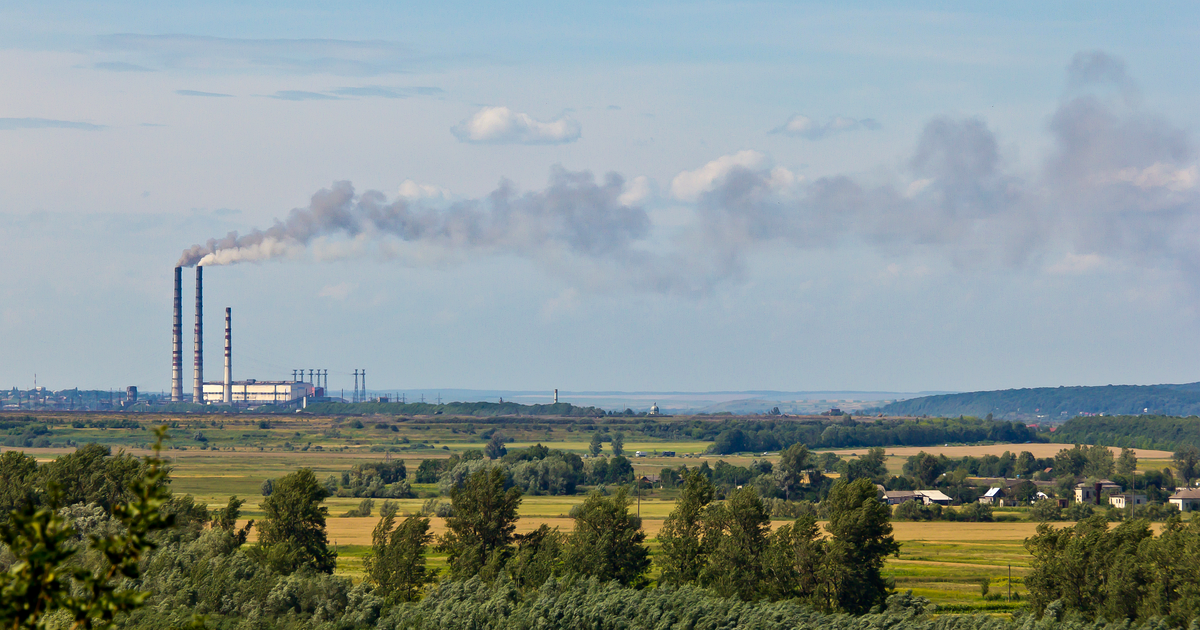
The Burshtyn thermal power plant in Ivano-Frankivsk Oblast, western Ukraine, photographed on 19 July 2012. This is an archival photograph and does not show the events in this story. Photograph: © Raimond Spekking / CC BY-SA 4.0 (via Wikimedia Commons). Cropped.

Update, 11 October (afternoon): Zelensky said on X that Russia had struck a power plant in Kyiv with a Shahed drone, causing power outages in many districts, and later energy facilities in the Kharkiv region, adding: "And all of this happened AFTER the President of the United States made his statement about an energy ceasefire," the Guardian and the BBC reported. Moscow had not commented on Trump's announcement, the BBC and the Guardian reported. Igor Ananskikh, first deputy chair of the Russian State Duma's energy committee, told the Russian outlet Ostorozhno Novosti he had no information about the ceasefire, the Kyiv Independent reported. Trump has not given details of its terms, the BBC said.
On Sunday 11 October, President Donald Trump wrote on Truth Social: "Effective immediately, there is an ENERGY CEASEFIRE in the War between Russia and Ukraine. Both parties have agreed. Do not break it!" He gave no further details, the Guardian reported.
Ukraine's government did not immediately comment or confirm a deal had taken place, the Guardian reported. By midday Eastern time, Ukraine said it would accept a halt if Russia did, and Russia had not commented, according to the BBC and the Guardian.
What each side has actually said
- Kyiv: Volodymyr Zelensky told Axios: "The ceasefire announcement was news for me. But if Russians agree to an energy ceasefire Ukraine will agree. If president Trump negotiated it with Putin — please tell us when the ceasefire begins — we are ready and we will accept it," as quoted by the Guardian. A senior Ukrainian official told the Kyiv Independent that Ukraine had no information about the ceasefire and doubted Russia had been informed.
- Kyiv, later: Zelensky wrote on X: "Ukraine supports the ceasefire, and it's important for Russia to support it as well. We are awaiting details from the American side," the Guardian reported.
- Moscow: Russia had not commented by midday Eastern time, the BBC reported. Three days earlier, on 8 October, Kremlin spokesperson Dmitry Peskov said Russia saw no point in negotiating a sectoral ceasefire: "Kyiv is not currently proposing a long-term settlement, but rather a ceasefire in an area that is its Achilles' heel — the energy sector," the Kyiv Independent reported. Privately, Russian officials have signalled that Moscow is willing to consider the idea, Ukrainian and US officials told the outlet.
- Paris: President Emmanuel Macron backed a "real energy ceasefire" but said: "Currently, Russia continues to refuse that, by lately intensifying further its strikes on Ukrainian infrastructure," according to the Guardian.
This has been announced before
On 14 September, Trump posted: "Ukraine has agreed not to hit Russian Energy Targets. Russia has agreed to do, likewise!" Kyiv said it was unaware of a deal, the Kyiv Independent reported. Russia continued attacking Ukraine's power network, so the strikes on both sides went on, the BBC said.
Sunday's post came hours after Zelensky rejected Trump's demand that Ukraine stop hitting Russian oil refineries. Zelensky said any halt would have to be reciprocal and backed by "real guarantees," the Guardian reported. The strikes did not pause over the weekend: a senior Ukrainian official reportedly told the Financial Times that repair teams were restoring electricity and water in Kyiv after Russian strikes, the Guardian reported, and Yandex paused operations at a data centre near Moscow after a Ukrainian drone struck it, the BBC reported.
The price Moscow has reportedly asked for
On 9 October, the Kyiv Independent reported that Russia had demanded sanctions relief from the United States as part of talks on an energy ceasefire and wanted to link it to a Black Sea ceasefire, citing US and Ukrainian officials. Which sanctions Moscow wants lifted is unclear, the outlet said. Ukraine objects to Russia receiving economic benefits in exchange for an energy truce, it reported.
On Friday 9 October, Trump announced he was lifting sanctions on Russian diesel exports, saying the move would cut fuel prices before next month's US midterm elections, the Guardian reported. No official quoted in these reports has linked the diesel decision to an energy ceasefire. WatchfulEye's read, not a reported fact: sanctions relief is what Russia was reportedly seeking, and it is unclear which sanctions it wants lifted, so whether the two are connected remains an open question.
What would make it a ceasefire
- A statement from Moscow accepting it.
- Published terms: when it starts, which sites it covers and who checks it.
- Fewer reported strikes on power plants and refineries on both sides over the coming days.
Context
WatchfulEye covers the diesel decision in Trump-Putin diesel deal: what the Treasury license allows and the strikes on Ukraine's grid in Russia hits Trypilska power plant; Kyiv emergency cuts.
Until Moscow says yes, this is an announcement, not a ceasefire. The test is whether the strikes on power plants and refineries stop.