Iran / Gulf · Public record
Hormuz tanker attacks, 1–6 October: nine UKMTO warnings, then On Peace
Update, 18 October: The Joint Maritime Information Center, which works alongside UKMTO, said in an advisory note on Sunday that there was "no substantiation" for the Revolutionary Guards navy's claim that two tankers had struck mines in the Strait of Hormuz on 17 October. The same note recorded one new attack near the strait: a tug heading south about 20 nautical miles northeast of Khor Fakkan, on the UAE's Gulf of Oman coast, reported being struck by two unknown projectiles on 18 October; it was damaged but continued its route, and one crew member had a minor injury, according to UKMTO warning 177-26. UKMTO did not name the tug. In the Gulf, the note listed two tanker attacks on 16 October off Al Jubayl, Saudi Arabia: a tanker identified by India's shipping minister as the ST3 was struck by an unknown projectile and its crew were evacuated safely, and another tanker was damaged after being approached by a small boat.
Update, 17 October: Iran's Revolutionary Guards navy said on Saturday that two oil tankers, each carrying about 2 million barrels of crude, caught fire after hitting naval mines while using a route through the Strait of Hormuz that Iran had not authorised, the state news agency IRNA reported, according to Reuters via The Jerusalem Post. IRNA said the ships had switched off their positioning and radar systems and that the second was left immobilised. There was no independent confirmation, Reuters reported. US Central Command has said it cleared the strait of naval mines and that ships are being hit by projectiles, and it said the container ship GFS Pride, which sank on Thursday, was hit by a Revolutionary Guards projectile rather than a mine, Al Jazeera reported. UKMTO, the UK maritime security agency, counted at least 12 ships attacked in the week to 16 October, and said most attacked vessels were refusing to report to it and that it knew of more incidents it could not verify, Al Jazeera reported.
Update, 15 October: Iran's navy said on Thursday that its patrols in the eastern Strait of Hormuz had found an oil tanker on fire inside a restricted zone after it entered with its tracking systems switched off, Iranian state media reported, citing a statement carried by the Mehr news agency, according to Euronews. The Independent reported that the statement called it a "violating" tanker. The vessel's name, flag and crew condition, and the cause of the fire, were not known, Euronews reported. Euronews said it was the second such incident in the area in 24 hours, after Iranian media reported on Wednesday a fire on another tanker that had also switched off its tracking. US Central Command had not commented, Euronews reported.
Update, 14 October (evening): US Central Command said on Wednesday that US forces destroyed an Iranian-affiliated dhow in the Gulf of Oman on 6 October, saying it had been conducting surveillance and targeting US Navy ships, Maritime Executive and Iran International reported, citing CENTCOM. All crew were removed before the vessel was destroyed; CENTCOM said efforts to repatriate them were ongoing. Maritime Executive, citing CENTCOM, said two US Marine Corps Apache helicopters fired missiles that damaged the boat and set it on fire. The US military says Iran has been using spotters embedded in boat traffic around Hormuz to help target vessels, including American warships, offsetting the loss of coastal radars that US forces have destroyed, a military official confirmed to Reuters, Maritime Executive reported. The statement does not name the dhow or say whether it was linked to any of the October merchant-ship attacks.
Update, 14 October: A Singapore-flagged container ship, the GFS Pride, has sunk after being struck by an "unknown projectile" while transiting the Strait of Hormuz, the Maritime and Port Authority of Singapore (MPA) said on Wednesday. All 21 crew were evacuated and no injuries were reported. A second Singapore-flagged container ship, the GFS Giselle, was struck a day later, suffered hull damage and reached a safe anchorage under its own power; its 22 crew are safe. The MPA gave the dates as 13 and 14 October, Singapore time, and did not say who fired. Pakistan's hydrographic office told mariners the GFS Pride sank about 4 nautical miles north-west of Ras al-Sheikh Masud on Oman's Musandam Peninsula, the BBC reported. Iran's Revolutionary Guards navy gave a different account: it said a container ship carrying more than 2,500 containers hit a naval mine, caught fire and sank on Wednesday morning while using what it called an "unauthorized and dangerous" route, Tasnim reported. The Guards did not name the ship. Separately, UKMTO issued two late warnings for 13 October (172-26, 173-26): a 50,000-tonne inbound container ship at 16:40 UTC and a 19,000-tonne outbound one at 17:00 UTC were struck by unknown projectiles, and both reported minor damage and continued their passage. It has not been confirmed which of these reports, if any, describe the two Singapore-flagged ships. The GFS Pride is the second vessel to sink since the war began on 28 February, after the Safeen Prestige, which was hit in March, according to International Maritime Organization data cited by Reuters. The bulk carrier Cape Dao, struck on 23 September, has since sunk too, International Maritime Organization data showed, making it the third vessel lost since the war began, Reuters reported.
Update, 13 October: UK Maritime Trade Operations (UKMTO) reported two more attacks in the Strait of Hormuz on Tuesday: a tanker and a container ship were each struck by an "unknown projectile", both north of the Musandam Peninsula, The Maritime Executive and Gulf News reported. UKMTO did not name either vessel or give times, damage or crew status. The Maritime Executive said six attacks were reported on Sunday and none on Monday.
Update, 12 October: India's shipping minister, Sarbananda Sonowal, said the tanker Petro Dolphin, carrying 11 Indian seafarers, was hit in a drone attack on 11 October at the anchorage of the port of Sohar in northern Oman. Nine of the Indian crew were rescued and two remain missing, he said, as the local coast guard continued search-and-rescue operations, AFP (via The Straits Times) and PTI (via The Hindu) reported. India's embassy in Oman described the Petro Dolphin as Nicaragua-flagged, The Economic Times reported. Sonowal also said the Marshall Islands-flagged tanker Valthera, with 11 Indian crew, was struck by a projectile in the Strait of Hormuz on 11 October, starting a fire; all its Indian crew were reported safe, AFP reported. Whether the Valthera is the outbound tanker UKMTO reported hit on Sunday has not been confirmed. Sonowal did not say who carried out either attack.
Update, 11 October (evening): Iran's security chief, Mohsen Rezaei, said the United States' response to Tehran's seven conditions for reopening the strait was "insufficient", Reuters reported, citing state media. Washington replied via Qatari intermediaries, Reuters said. "In their response, they have accepted some of our conditions, while others remain unclear," Rezaei told Tasnim, Middle East Eye reported. He said Iran had "clearly stated that the Strait of Hormuz would not be opened to them, and no negotiations would take place, until these conditions are met." He did not say which conditions Washington accepted, and the White House did not immediately respond to a Reuters request for comment.
Update, 11 October (afternoon): Another outbound tanker was struck on the port side by an unidentified projectile in the Strait of Hormuz at 12:00 UTC on Sunday 11 October, damaging the vessel; all crew were reported safe and no environmental impact was reported, UKMTO said in warning 164-26. UKMTO did not name the ship and said authorities were investigating. Separately, the navy of Iran's Islamic Revolutionary Guard Corps said on Saturday night that an unnamed crude oil supertanker had hit a naval mine and suffered a major fire while using an unauthorised route with its navigation systems turned off, and it warned of a similar fate for any tanker that "wishes to ignore the security and rules" of the strait, Al Jazeera reported. The IRGC account has not been independently verified, and neither UKMTO nor Al Jazeera linked it to the tanker UKMTO reported hit on Saturday evening.
Update, 11 October 2026: A US fighter jet struck the stern of the Panama-flagged cargo ship Ocean Molica, also known as Arika Sun, in the Gulf of Oman on Saturday 10 October with a precision munition, disabling its propulsion without harming the crew, US Central Command said. CENTCOM said the ship had left an Iranian port and ignored repeated warnings to stop. It said that since the US resumed its blockade of ships entering or leaving Iranian ports on 14 July, its forces had disabled four commercial vessels, turned back 135 and destroyed 10 tankers it links to the Islamic Revolutionary Guard Corps. Reuters could not immediately reach the operator for comment. Also on 10 October, at 19:20 UTC, the master of an outbound tanker in the Strait of Hormuz reported being hit on the port side by an unknown projectile that started a fire; the crew were safe, UKMTO said in warning 162-26. UKMTO also said several masters near Ras Al Khaimah in the UAE had been told by VHF broadcast to move from their anchorages, Middle East Eye reported. Neither UKMTO nor any government named the tanker, and no claim of responsibility had been reported by early 11 October. Ships near the strait now face pressure from both sides: US strikes on vessels leaving Iranian ports, and the IRGC navy's 9 October warning that ships using routes Iran has not authorised will be pursued throughout the region.
Update, 9 October 2026: The navy of Iran's Islamic Revolutionary Guard Corps (IRGC) said on Friday that it would no longer confine action against ships it says violate its rules to the Strait of Hormuz: any vessel using an unauthorised passage will be "pursued throughout the region", said the statement, published by Tasnim and other Iranian media. In it, the IRGC navy also said it had struck the LPG carrier NV Sunshine as the ship tried to use an unauthorised route south of the strait, starting a large fire in its engine room. No maritime authority had confirmed that strike as of 17:15 ET on Friday. Seatrade Maritime News, which identified NV Sunshine as Vietnam-flagged, noted that Iranian news agencies and authorities have a history of reporting attacks that turned out to be false. Also on Friday, UKMTO said in warning 160-26, citing multiple sources, that a vessel was struck by an unknown projectile at 10:00 UTC, 13 nautical miles west of Al Jazeera on the UAE coast, just inside the Gulf; the fire was put out, and the state of the crew and the damage were not yet known. Two shipping and security sources named the ship as the Panama-flagged supertanker Gem No.2, and LSEG ship-tracking data showed it fully laden and at anchor, Al Arabiya reported. No one claimed the attack; maritime security sources said the strike, outside the Hormuz area, pointed to a widening of risk for ships. The IRGC statement, as published by Tasnim and Fars, did not mention Gem No.2. Seatrade said the tanker is not among the 100 ships on the non-compliance list of Iran's Persian Gulf Strait Authority, and that UKMTO has issued at least one warning every day of October so far.
Update, 8 October 2026 (shipping data): Traffic through the strait fell to its lowest in more than two months after a week with more tanker attacks than any since the US-Israeli war with Iran began on 28 February, Reuters reported. Seven commodity vessels crossed on Tuesday 6 October, the fewest since 23 July, according to Kpler data reported by Reuters; ten crossed on Wednesday, against more than 20 a day on Sunday and Monday. Kpler analysts wrote that crude crossing the strait fell 27% from a wartime high the week before, to at least 10.1 million barrels a day, or 74% of its pre-war level, with most of the drop in ship-to-ship transfers in the Gulf of Oman. At the same time, exports from the Gulf of Oman coast and the Red Sea rose to 6.7 million barrels a day, more than twice pre-war levels, which the analysts said helped keep overall Middle East crude exports at the pre-war level. Data from three maritime security sources, reported by Reuters, showed at least 12 attacks on oil, LNG and LPG tankers around the strait in the week of 28 September to 5 October, the most in any week of the war; the International Maritime Organization counted nine incidents involving vessels that week. Kpler's counts exclude ships crossing with their transponders switched off.
Update, 8 October 2026: A tanker was struck by multiple projectiles at 19:00 UTC on Wednesday 7 October, 51 nautical miles north of Madinat ash Shamal on Qatar's northern coast, and casualties were reported, UKMTO said in warning 158-26. UKMTO did not name the ship, say how many people were hurt or say who fired, and no group has claimed the attack. Unlike the nine warnings and the On Peace strike covered below, which were in or near the Strait of Hormuz and off Oman, this one is in the central Gulf: Madinat ash Shamal is about 54 km from Ras Laffan, Argus Media reported. Al Jazeera, citing the Maritime Executive, said it was the first reported attack on a tanker in the western half of the Gulf in weeks. Qatar has not commented.
Between 1 and 6 October 2026, the UK Maritime Trade Operations centre (UKMTO) issued nine warnings of tankers struck by projectiles in or near the Strait of Hormuz. On Tuesday 6 October, India and Oman said the Panama-flagged tanker On Peace had been hit off Oman's Musandam peninsula. Twelve of its 19 crew were injured, 11 of them Indian nationals, India's Ministry of External Affairs said.
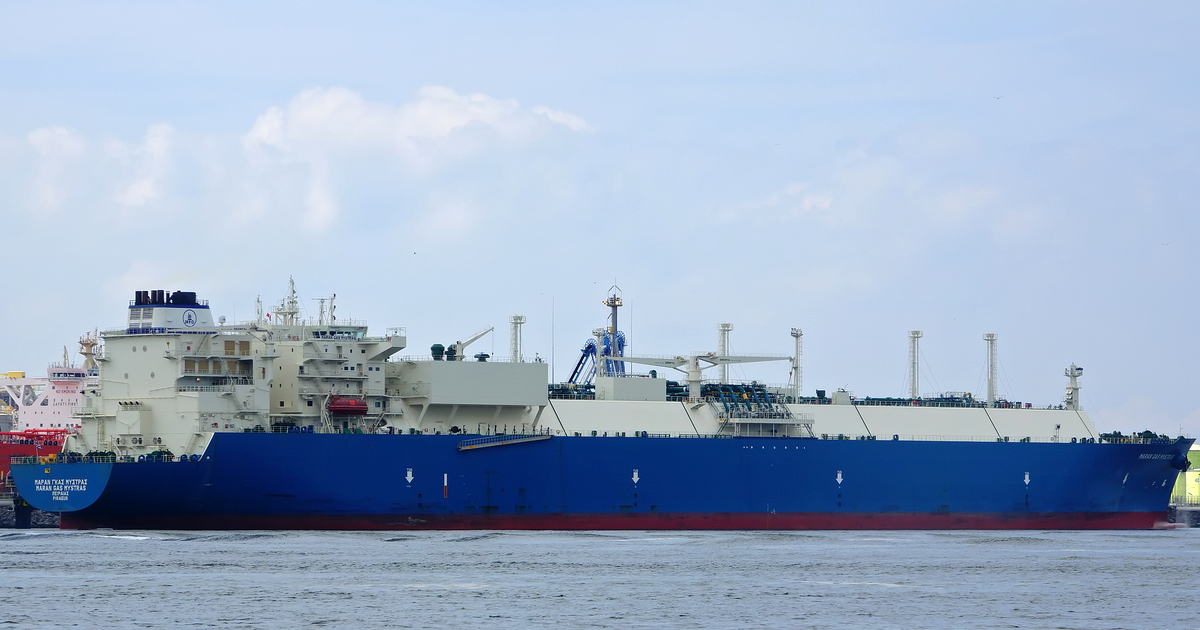
Governments, owners and security firms have named seven ships: Kazimah III, Ghana Prosperity, Gas Vela, Cameroon Prosperity, Lipsi, Maran Gas Mystras and On Peace. UKMTO named none.
The ships named so far
- Kazimah III, 1 October. The Kuwait Oil Tanker Company supertanker was struck and caught fire, Reuters reported, citing the shipping intelligence firm Marisks. India's embassy in Oman said five Indian crew were taken ashore. A US navigational warning (HYDROPAC 2874/26) later listed the ship at anchor.
- Ghana Prosperity, 3 October; Cameroon Prosperity and Gas Vela, 4 October. Security firm Vanguard Tech named the two Sinokor-operated supertankers and the Singapore-flagged gas carrier, Seatrade Maritime News reported; the Maritime Executive also listed them. No owner or flag state had confirmed this by 20:30 ET on 6 October.
- Lipsi, 4 October. The Liberian-flagged, Dynacom-managed tanker was struck northeast of Jazirat Um al Fayarin, Oman, damaging its engine room; the crew were safe, Reuters, citing Marisks, and Al Jazeera reported. A navigational warning (NAVAREA IX 352/26) had it drifting there at 15:00 UTC.
- Maran Gas Mystras, reported hit on 5 October. All 30 crew of the gas carrier, 11 of them Greek, were well and it was sailing to Fujairah under its own power, Greece's Ministry of Maritime Affairs said, the Athens News Agency reported.
- On Peace, 6 October. Oman's defence ministry said the ship was targeted about nine nautical miles northeast of Lima in Musandam, starting a fire, and its air force flew 10 crew to Khasab Hospital, Anadolu reported. India gave its IMO number as 9893204. Its operator, Onex DMCC, and manager, Anglo-Eastern, did not immediately respond to Reuters.
What UKMTO logged
UTC times as UKMTO gave them; Oman is four hours ahead, US Eastern four behind. Four were late reports.
- 1 October, 17:50: a tanker on fire; crew safe (147-26).
- 2 October, 11:22: small fire and blackout on an outbound tanker (148-26).
- 2 October, 21:42: a crude tanker hit 4 nautical miles east of Oman (149-26).
- 3 October, time not given: a crude tanker hit above the waterline (155-26).
- 4 October, 17:16 and 19:07: an inbound LPG tanker, then a crude tanker (153-26, 154-26).
- 5 October: an engine-room fire at 16:37 (156-26); an outbound oil tanker, time not given (157-26).
- Date not given, issued 4 October: engine-room damage (150-26).
On 5 October, UKMTO also said Iran's Islamic Revolutionary Guard Corps (IRGC) ordered a tanker north of Khasab to turn back or be targeted. It complied.
Who says what
- The Joint Maritime Information Center (JMIC) said on 4 October that attacks "along the Omani side of the Strait are continuing" and kept its threat level at severe "due to recent Iranian attacks".
- Fars, an IRGC-affiliated news agency, said on 3 October the IRGC navy had targeted at least seven "violating" tankers in five days, Xinhua reported.
- India condemned the On Peace attack. Neither India nor Oman said who fired.
- US Central Command said on 5 October that it had redirected 130 vessels since its blockade of Iranian ports resumed on 14 July. It did not address the tanker strikes.
What we don't know (as of 20:30 ET on 6 October)
- Whether On Peace is one of the nine. India and Oman date the strike to 6 October; the Maritime Executive said it appears to be the outbound tanker UKMTO reported for 5 October.
- Which ship matches which warning. UKMTO withholds names; Seatrade linked Maran Gas Mystras to the 16:37 fire, citing Greek media.
- When On Peace was hit, and how badly its crew are hurt.
- The weapons. UKMTO says "unknown projectile"; JMIC said one master reported a drone entering the funnel.
For an earlier strike near Khasab, in August, see AL SALAM II.
Sources
- UKMTO Warnings 147-26 to 150-26 and 153-26 to 157-26, and Advisory 152-26, 1–6 October 2026: https://www.ukmto.org/ukmto-products/warnings
- Joint Maritime Information Center, Update 102 to JMIC Advisory Note, 4 October 2026: https://www.ukmto.org/-/media/ukmto/products/update-102-jmic-advisory-note-04-october.pdf
- NAVAREA IX 352/26, 4 October 2026, as archived by SeaLagom: https://www.sealagom.com/navarea/9/message/24702/
- HYDROPAC 2874/26, 4 October 2026, as archived by SeaLagom: https://www.sealagom.com/coastal/21/message/27584/
- US Central Command, "CENTCOM Maintains Strict Enforcement of U.S. Blockade Against Iran", 5 October 2026: https://www.centcom.mil/MEDIA/PUBLIC-RELEASES/Article/4619553/centcom-maintains-strict-enforcement-of-us-blockade-against-iran/
- India's Ministry of External Affairs statement, 6 October 2026, as reported by PTI (via The Hindu): https://www.thehindu.com/news/national/indian-crew-attacked-in-mt-on-peace-vessel-attack-strait-of-hormuz/article71551158.ece
- AFP (via Gulf Times), "India says 12 injured after tanker attacked off Oman", 6 October 2026: https://www.gulf-times.com/article/735024/international/india/india-says-12-injured-after-tanker-attacked-off-oman
- India's Ministry of External Affairs statement with the IMO number, as quoted by Firstpost, 6 October 2026: https://www.firstpost.com/world/india-condemns-attack-on-mt-on-peace-ship-near-oman-strike-injures-11-indians-14050832.html
- Reuters (via bdnews24), "India says projectile struck Panama-flagged oil tanker in Hormuz", 6 October 2026: https://bdnews24.com/world/375an9y07p
- Anadolu, "Panamanian-flagged vessel hit, catches fire off coast of Oman", 6 October 2026: https://www.aa.com.tr/en/us-israel-iran-war/panamanian-flagged-vessel-hit-catches-fire-off-coast-of-oman/4080180
- Reuters (via gCaptain), "Middle East Oil Exports Top Pre-War Levels for Part of September But Tanker Attacks Increase", 5 October 2026: https://gcaptain.com/middle-east-oil-exports-top-pre-war-levels-for-part-of-september-but-tanker-attacks-increase/
- Al Jazeera, "Hormuz ship attacks surge: Are increased oil exports sustainable?", 6 October 2026: https://www.aljazeera.com/news/2026/10/6/hormuz-ship-attacks-surge-are-increased-oil-exports-sustainable
- Athens News Agency (via The National Herald), "Greek-Owned Tanker Struck by Unidentified Projectile Near the Strait of Hormuz", 6 October 2026: https://www.thenationalherald.com/greek-owned-tanker-struck-by-unidentified-projectile-near-the-strait-of-hormuz/
- Seatrade Maritime News, "Sinokor, Maran Gas, and Sinogas ships hit in spate of Hormuz attacks", 6 October 2026: https://www.seatrade-maritime.com/tankers/sinokor-maran-gas-and-sinogas-ships-hit-in-spate-of-hormuz-attacks
- The Maritime Executive, "12 Seafarers Injured in Attack on LR2 Tanker in Strait of Hormuz", 6 October 2026: https://maritime-executive.com/article/12-seafarers-injured-in-attack-on-lr2-tanker-in-strait-of-hormuz
- ANI (via Rediff), "Five Indians rescued, shifted ashore after projectile hits tanker in Hormuz", 3 October 2026: https://www.rediff.com/news/report/five-indians-rescued-shifted-ashore-after-projectile-hits-tanker-in-hormuz/20261003.htm
- Xinhua (via NewKerala), "Iran's IRGC hit 7 'violating' oilers in Hormuz Strait in 5 days", 4 October 2026: https://www.newkerala.com/news/a/irans-irgc-hit-violating-oilers-hormuz-strait-days-767.htm
- Hellenic Shipping News, "Report: Iran's IRGC hit 7 'violating' oilers in Hormuz Strait in 5 days" (undated page): https://www.hellenicshippingnews.com/report-irans-irgc-hit-7-violating-oilers-in-hormuz-strait-in-5-days/
- UKMTO Warning 158-26, 7 October 2026: https://www.ukmto.org/ukmto-products/warnings
- Argus Media, "Tanker hit in Mideast Gulf: UKMTO", 7 October 2026: https://www.argusmedia.com/en/news-and-insights/latest-market-news/2887970-tanker-hit-in-mideast-gulf-ukmto
- Al Jazeera (AFP and DPA), report on the tanker attack off Qatar, 8 October 2026: https://www.aljazeera.com/news/2026/10/8/tanker-hit-by-multiple-projectiles-off-north-coast-of-qatar-ukmto-says
- Reuters (via KRRO), "Hormuz transits at lowest in over two months after attacks, data shows", 8 October 2026: https://krro.com/2026/10/07/hormuz-transits-at-lowest-in-over-two-months-after-attacks-data-shows/
- Reuters (via gCaptain), "Attacks on Tankers in Hormuz Hit Highest of Any Week Since Start of Iran War, Sources Say", 7 October 2026: https://gcaptain.com/attacks-on-tankers-in-hormuz-hit-highest-of-any-week-since-start-of-iran-war-sources-say/
- UKMTO Warning 160-26, 9 October 2026: https://www.ukmto.org/-/media/ukmto/products/20261009-ukmto_warning_160_26.pdf
- Tasnim News Agency, "LPG Carrier Hit, Catches Fire in Strait of Hormuz: IRGC Navy", 9 October 2026: https://www.tasnimnews.ir/en/news/2026/10/09/3718550/lpg-carrier-hit-catches-fire-in-strait-of-hormuz-irgc-navy
- Fars News Agency, "IRGC Navy Says Giant LPG Carrier Hit, Caught Fire in Hormuz", 9 October 2026: https://farsnews.ir/Rahgozar_b/1791556651271084898/IRGC-Navy-Says-Giant-LPG-Carrier-Hit-Caught-Fire-in-Hormuz
- Seatrade Maritime News, "Iran threatens wider tanker attacks as VLCC struck in Gulf", 9 October 2026: https://www.seatrade-maritime.com/security/iran-threatens-wider-tanker-attacks-as-vlcc-struck-in-gulf
- Al Arabiya, "Vessel struck by unknown projectile off UAE coast, UKMTO says", 9 October 2026: https://english.alarabiya.net/News/gulf/2026/10/09/vessel-struck-by-unknown-projectile-off-uae-coast-ukmto-says