Gaza malnutrition deaths reach 466, Health Ministry says
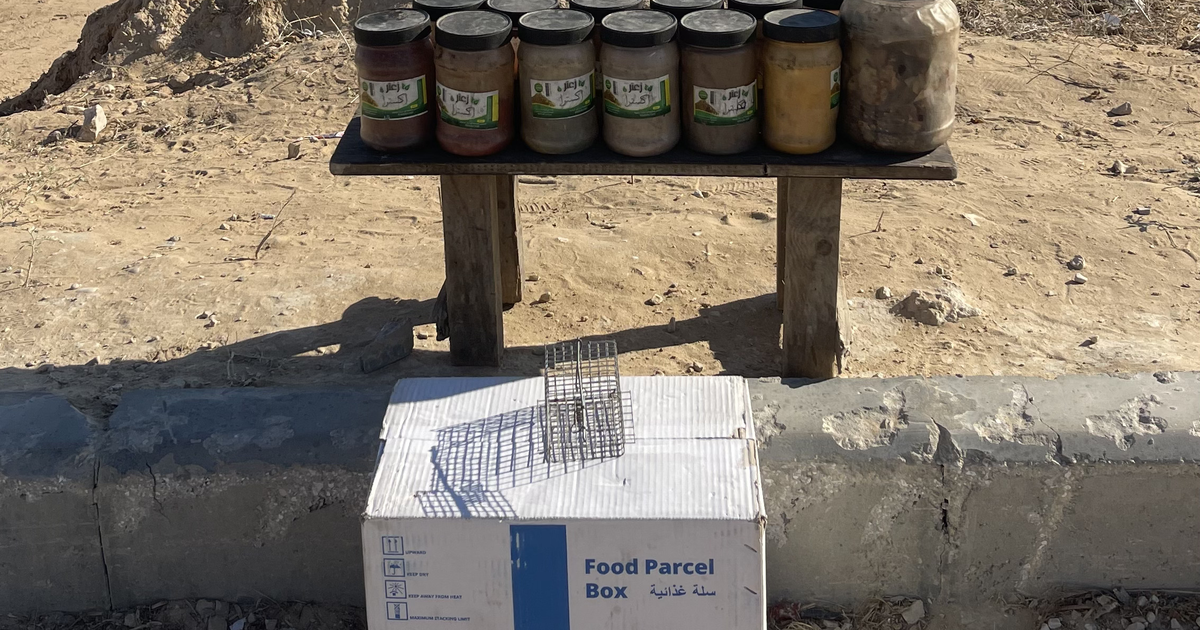
At least 466 Palestinians have died of malnutrition and starvation in Gaza since 2024, including 157 children, the Gaza Health Ministry said on Friday 16 October in a statement released for World Food Day, according to Anadolu Agency. "Malnutrition and starvation rates in Gaza have reached catastrophic levels that are killing children, the elderly and vulnerable groups," the ministry said. The same day, UNICEF said the food situation had improved under the ceasefire but warned that the gains were fragile; on Wednesday, Israel said no commercial goods had entered the Strip in days, Al Jazeera reported.
What the ministry reported
- Deaths: at least 466 since 2024, the ministry said. Elderly people accounted for the largest share, 189 deaths or 40.5 percent of the total, and children for about one-third, Al Jazeera and Anadolu reported.
- Children: more than 158,000 cases of acute malnutrition among children under five from 2024 through August 2026, the ministry said. It estimated that 74,200 children will need treatment for acute malnutrition through April 2027, and said the mortality rate among children under five rose from 13.6 to 33.4 deaths per 1,000 live births between 2022 and 2025, according to Anadolu.
- Pregnancy: anaemia among pregnant women reached 61 percent in 2026, up from 41 percent before the war. "Around 4,000 pregnancy losses were recorded during the first half of 2026, more than three times the number recorded during the previous six months," the ministry said, Anadolu reported.
- Outlook: more than 1.4 million people, about 67 percent of Gaza's population, are projected to face crisis-level food insecurity or worse through the end of 2026, the ministry warned.
- Older people: some 11 percent went without a meal for an entire day and 48 percent reduced portions so their families could eat, the ministry said, according to Al Jazeera.
The ministry called on the international community and the UN to act to ensure the safe, sustained and unrestricted entry of food, therapeutic nutritional supplements and medicines into Gaza, Anadolu reported. These are the ministry's own figures; they have not been independently verified.
What UNICEF said the same day
UNICEF global deputy spokesperson Ricardo Pires told reporters in Geneva that "the food security situation has improved" since the ceasefire allowed more humanitarian assistance and commercial supplies in, but that "for children in Gaza, the consequences of war permeate every aspect of daily life," according to the agency's published remarks. Asked about reports that private traders had halted cooperation with Israeli authorities on commercial trucks, Pires said the flow of "humanitarian and commercial goods" had to continue "so children can continue their recovery," UN News reported. "We can't go back to a situation where children and families are not getting all the supplies, goods and services that they require," he said.
Pires also said that in the last two weeks five boys and two girls had been reported killed and at least 33 children seriously injured in air strikes, drone strikes and gunfire, and that more than 340 children have been reported killed since the ceasefire was announced. Some 800,000 children are still displaced, "and most live in tents or dangerous bombed-out buildings," he said.
Why the supply dispute matters now
Israel said on Wednesday that no commercial goods had entered the Strip in days, blaming the supply shortages on a tax dispute between local merchants and Hamas, Al Jazeera reported. Hamas dismissed Israel's claims as "baseless." Two accounts now run side by side: the ministry describes hunger at "catastrophic levels," while UNICEF describes an improvement that depends on supplies continuing.
WatchfulEye's read: the two accounts measure different things. The ministry's toll is cumulative, counting deaths since 2024, including the period before famine was declared in August 2025. UNICEF's point is about direction: conditions improved after the ceasefire and could reverse if supplies stop. UNICEF ties continued recovery to an uninterrupted flow of goods, which makes the commercial halt Israel described the variable to watch; neither the ministry nor UNICEF has said how long the current stoppage will last.
Open questions
- How long will commercial goods stay halted, and will Israel and Gaza's merchants settle the tax dispute?
- Will UN agencies publish their own figures for deaths from malnutrition to set beside the ministry's?
- Will the 74,200 children the ministry expects to need treatment through April 2027 be reached if the halt continues into winter?