France protests: 550,000 march and 1,200 are arrested, three days before the budget vote
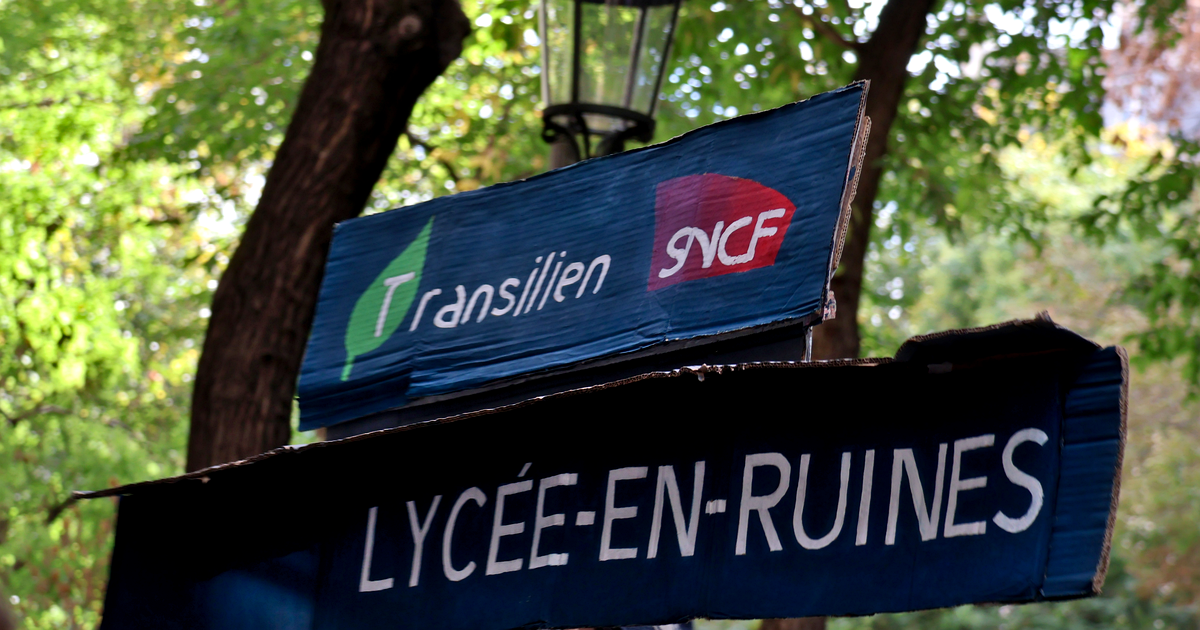
About 550,000 people marched across France on Saturday 17 October 2026, according to Interior Minister Laurent Nuñez, including 110,000 in Paris. The CGT union told Reuters it put the number at 800,000, CNBC reported. Prime Minister Sébastien Lecornu said 1,200 people were arrested and 150 police officers injured, the BBC reported. Earlier in the day Nuñez had given a figure of about 400 arrests.
The marches began as three weeks of student protests over teacher shortages and run-down secondary schools, and grew into a wider protest over fuel prices and the cost of living. On Tuesday 20 October, the National Assembly holds its solemn vote on the first part of the 2027 budget, the part that sets taxes and revenue. Last year the same vote on the 2026 budget failed by 1 vote in favour to 404 against.
What is reported
- The damage. A fire at Limoges town hall caused part of the building to collapse, the local prefecture said, as reported by the BBC. In Lyon the tourist office was burned; Mayor Grégory Doucet said on BFMTV that it was "a tragedy". Masked intruders entered Marseille city hall, CNBC and the BBC reported. In Saint-Étienne a young man "had his hand blown off by a grenade", Mayor Régis Juanico said on social media.
- Looting. Nuñez said looting or attempted looting was recorded in cities including Paris, Rouen, Nantes, Toulouse and Marseille. The BBC reported that shops were raided in Paris and an Apple store in Lille was emptied.
- Who the government blames. Nuñez blamed groups from the "hard left and extreme left" at the margins of the marches and said most of those arrested were adults not connected to the student movement, the BBC reported. Lecornu wrote on X: "To those who clearly want to use this violence as a 'warm-up' before the presidential election, I say clearly: We will not let ourselves be intimidated."
- The president. Emmanuel Macron said those who attacked prefectures, businesses and town halls "will be prosecuted and punished", the BBC reported.
- The opposition. Jean-Luc Mélenchon of La France Insoumise accused police of "unleashing" on protesters while condemning looting and arson; Lecornu called his comments "dangerous and cynical". Marine Le Pen of the National Rally said "legitimate demands" had been "held hostage by the far left", according to the BBC.
- What protesters say. "We are fighting because the cost of living is too harsh, because the price of fuel is too high," a 19-year-old protester in Paris told CNBC. Education Minister Édouard Geffray promised 3,000 extra supply teachers on 8 October, the BBC reported. The protests continued.
- Beyond France. Smaller cost-of-living protests took place the same day in Belgium, Italy and Portugal, CNBC reported.
The vote on Tuesday
- The date is fixed. The Assembly's own timetable, dated 29 September, schedules debate on the first part of the 2027 budget from 13 to 19 October and the solemn vote on Tuesday 20 October, after questions to the government.
- What the government is asking for. The 2027 budget bill targets a public deficit of 5.0% of GDP in 2027, the Treasury said on 6 October. The 2026 deficit forecast was raised from 5.0% to 5.4%.
- Why 2026 slipped. The budget bill itself gives the reasons. It says the conflict in the Middle East and the summer's climate events cut growth for 2026 from 1.0% to 0.5%. It says the energy crisis reduced some tax revenue, "fuel excise duties in particular", and that support for the hardest-hit households and firms raised spending.
- Borrowing costs. The Banque de France's 10-year French government benchmark yield was 4.794% on Friday 16 October. The extra yield investors demand over German 10-year debt was about 1.37 percentage points that day, down from a 15-year high of nearly 1.60 points on 2 October, Reuters reported. Reuters also said French debt was heading for its best week since August.
What we infer (not a finding)
- The same war bill shows up on the street and in the budget. Protesters name fuel prices. The government's budget bill names the Middle East conflict and the energy crisis as reasons the 2026 deficit grew, including lost fuel tax revenue. That is one shock hitting both household budgets and the public accounts, and it narrows the room for concessions in Tuesday's vote.
- Saturday raises the price of a yes. Deputies vote three days after a protest day the government called an "escalation in violence", and about six months before the April presidential election. Any deputy backing new taxes or cuts now does so with the cost-of-living protests in view. We have no count of how groups intend to vote.
- A second failure would leave the revenue side unvoted again. Last year the first part failed 1 to 404. We do not know what procedure the government would use if it fails again, and we have not found a statement from Lecornu on that.
What we don't know
- How Tuesday's vote will go. We found no group-by-group voting intentions.
- Whether the arrest figure will change. The government's count rose from about 400 to 1,200 during the evening.
- How many people were hurt in total. Officials have given police injuries; we found no full civilian count.
- Who started the fires in Limoges and Lyon. We found no official finding.
What happens next
- Tuesday 20 October, after questions to the government: the solemn vote on the first part of the 2027 budget.
- From 20 to 26 October: debate on the 2027 social security budget, with its own solemn vote set for Tuesday 27 October.
- Further protest days called by student groups or unions, and any new government concession on schools or fuel.
Context
The energy shock behind the fuel-price anger runs through the Strait of Hormuz: Hormuz tanker attacks, 1–6 October.
Sources
- BBC News, "France protests: Violent clashes, looting and buildings ablaze as over 1,000 arrested", 17 October 2026: bbc.com.
- BBC News live page, "'No place for violence,' Macron says, as protesters clash with police in cities across France", 17 October 2026: bbc.com.
- CNBC, "French police clash with protesters amid rally over cost of living", 17 October 2026: cnbc.com.
- Assemblée nationale, Direction de la Séance, "Organisation de la discussion budgétaire", 29 September 2026: assemblee-nationale.fr.
- Projet de loi de finances pour 2027, No. 3210, registered 1 October 2026: assemblee-nationale.fr.
- Direction générale du Trésor, "Publication du rapport économique, social et financier (RESF) 2027", 6 October 2026: tresor.economie.gouv.fr.
- franceinfo, "Les dates clés du calendrier parlementaire pour le projet de loi de finance 2027": franceinfo.fr.
- Banque de France, "Bond indexes - 2026-10-16": banque-france.fr.
- Reuters, "Euro zone bonds steady after safe-haven rally, French debt set for best week since August", 16 October 2026: devdiscourse.com (Reuters copy).
The street and the bond market are reacting to the same bill. On Tuesday the Assembly votes on it.