Saudi Arabia postpones its flagship investor conference to 2027 as Houthi attacks escalate
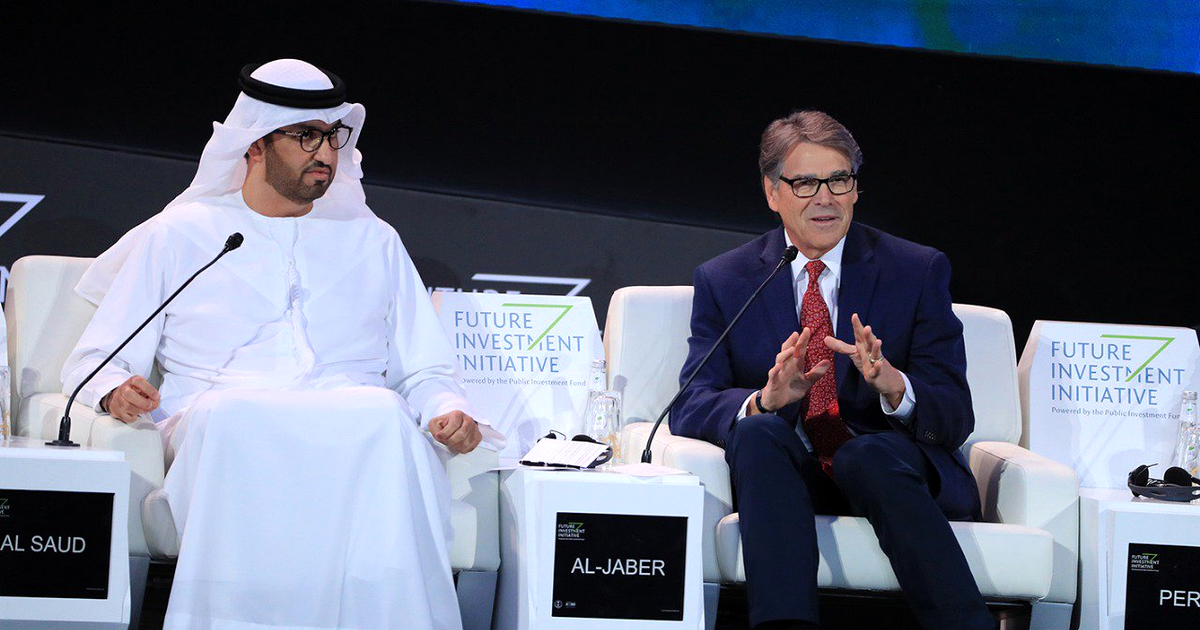
Saudi Arabia on Monday 19 October postponed the Future Investment Initiative, the Riyadh investor conference its sovereign wealth fund launched in 2017, until 2027, CNBC reported. The tenth edition was due to run from 26 to 29 October. "We will announce the new 2027 dates very soon," the FII Institute's chief executive, Princess Maha bint Mishari Al Saud, said in a statement that does not mention the attacks. The same day, a Houthi missile strike on a training camp in Yemen's Shabwa province killed more than 50 security recruits, local authorities said, according to the BBC.
What happened
- The conference: the FII Institute said the decision "comes from a deep commitment to our partners, members, speakers, and delegates" and is meant to ensure the tenth edition "delivers the full scale, extraordinary quality, and unforgettable impact" its community expects. It said current registrations and partnerships remain valid. CNBC reported that the postponement follows the Houthi attack on Riyadh's King Khalid International Airport on 10 October and repeated waves of missile and drone strikes on the kingdom since. Listed speakers included JPMorgan Chase's Jamie Dimon, Goldman Sachs' David Solomon, Blackstone's Stephen Schwarzman, BlackRock's Larry Fink and Citigroup's Jane Fraser. CNBC was told some participants and speakers had planned to fly to Bahrain first and then drive five hours to Riyadh.
- Other events moved: Intersec Saudi Arabia, due 16 to 18 November, will now be held in October 2027, and the Saudi Retail Forum, due 19 November, has been postponed to March 2027, The National reported. Intersec's organiser, Messe Frankfurt Saudi Arabia, said its decision "follows close monitoring of recent developments in Saudi Arabia" and puts the safety and security of exhibitors, visitors and staff first.
- Recent attacks on Saudi Arabia: the Saudi military destroyed several drones launched at the Riyadh region on Friday and Saturday, and missiles launched over the Red Sea were intercepted on Friday, including one heading toward the port city and oil terminal of Yanbu, a spokesperson for the armed forces said, according to CNBC. At least 19 people have been killed in Houthi attacks on the kingdom's airports since the start of October, the BBC reported.
- Shabwa: a spokesman for Yemen's Saudi-backed armed forces said the Houthis fired three ballistic missiles at al-Alam camp near Ataq, a training centre for recruits to the security forces and police, the BBC reported. Shabwa's governor, Awad al-Wazir, said 58 people were killed and more than 200 injured, and that 14 others remained missing, according to a Reuters report published by Al-Monitor, up from a preliminary toll of 53 dead given earlier by the province's media office. The missiles reportedly struck while the recruits were lining up in formation ahead of training, DW reported. The Houthis' military spokesman, Yahya Sarea, said they had targeted "Saudi enemy concentrations" at a camp he said was run by Saudi officers, according to the BBC.
- The weekend before: attacks over the weekend killed more than 30 people in Houthi-held areas, and the Houthis blamed Saudi-led forces, DW reported.
Why it matters
WatchfulEye's read: until now the cost of the Houthi campaign on Saudi Arabia has been counted in interceptions, airport closures and casualties. Postponing the Future Investment Initiative brings that cost to the economic plan itself. The conference has played a key part in Riyadh's plans to diversify its oil-dependent economy, CNBC notes; Crown Prince Mohammed bin Salman unveiled the NEOM megaproject at the first edition in 2017. The organisers' statement speaks only of scale and quality. But when some speakers were planning to land in Bahrain and drive five hours rather than fly into Riyadh, and another November event's organiser cites safety and security, the postponement says more about the security picture than the statement does.
Inside Yemen, the ground war has gone against the Houthis on one front. The government offensive backed by Saudi-led jets has regained the coast overlooking Bab al-Mandeb that the Houthis seized in September, the BBC reported, while fierce fighting continues there and around Taiz, Marib and al-Jawf. The BBC says the Houthis have answered Saudi air strikes with missiles and drones aimed at airports, energy facilities and military bases in Saudi Arabia. Yemen's information minister, Moammar al-Eryani, accused the Houthis of trying to "cover up the defeats and setbacks it is suffering" with the Shabwa strike. WatchfulEye's Yemen offensive page covers that push, and the Riyadh airport page covers the 10 October attack.
Who is behind the weapons
Al Jazeera reported that the Wall Street Journal said Iranian Mahan Air flights ferried Revolutionary Guard officers, drone parts, missile guidance systems and impact detonators to the Houthis. The spokesperson for the Saudi-led coalition, Major-General Turki al-Maliki, said an external state actor stands behind the Houthis' evolving arsenal but did not name it. Analysts who spoke to Al Jazeera said the "regional assistance" the Houthis receive points to the Revolutionary Guard; Iran and the Houthis deny this, Al Jazeera reported.
What is confirmed, and what is not
- On the record: the conference is postponed to 2027 with no new dates. The organisers' statement cites scale and quality and does not mention the attacks or security; the link to the attacks is CNBC's and The National's reporting. As of Monday evening (US Eastern time), the latest Shabwa toll, from the governor, Awad al-Wazir, is 58 dead, more than 200 injured and 14 missing, according to Reuters, up from the media office's preliminary 53; earlier, the deputy governor, Fahad al-Khalifi, gave at least 50 dead and more than 100 injured, according to AFP as cited by DW.
- Not established: whether security advice, speaker or partner withdrawals, or both drove the decision. The Iranian role rests on media reports, analysts and an unnamed-state claim. As of Monday afternoon (US Eastern time), we found no evidence published by the Saudi government or the coalition naming Iran.
- Figures differ: CNBC gives at least 12 dead in the 10 October airport attack, as did Saudi civil aviation's follow-up statement; Al Jazeera gives 13.
Open questions
- When in 2027 will the tenth edition take place, and will more Riyadh events move?
- What "firm response" does Yemen's Presidential Leadership Council, led by Rashad al-Alimi, intend after Shabwa?
- Will Riyadh name Iran publicly, and what would that mean for the 2023 Beijing reconciliation?
- Will the Houthis keep targeting Yanbu, Saudi Arabia's Red Sea port and oil terminal?