Traders said seventy percent. Asia imported slightly less.
WatchfulEye ·
The conventional narrative is that the southern lane came back. On 27 August, traders told Bloomberg more oil was leaving Hormuz, while Kpler data reported by Reuters showed Asia's August crude imports slightly down.
What changed
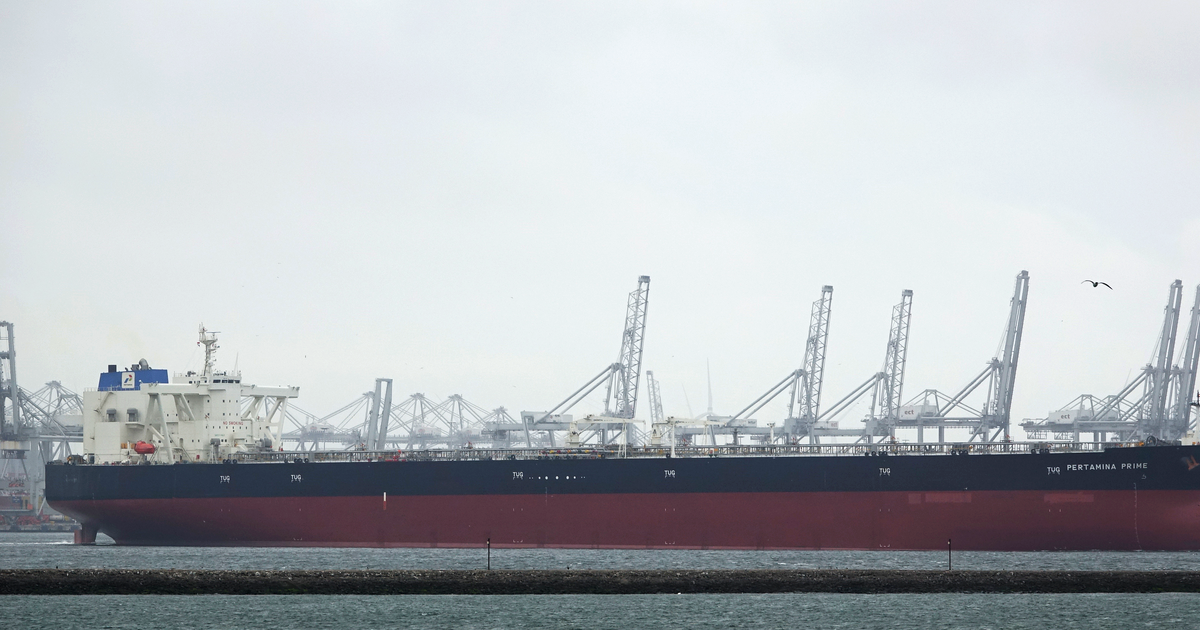
On Thursday 27 August 2026, Bloomberg reported that Kuwait and Qatar, which exported a combined 2 million barrels a day of oil before the Iran war, had got shipments back to 70 percent of pre-conflict levels, according to traders who asked not to be named. The two began shuttling cargoes through Hormuz around June. The United Arab Emirates was the first Gulf producer to export large volumes through Hormuz using ship transfers in the Gulf of Oman, and was later joined by Saudi Arabia; QatarEnergy offered that week to sell its crude on a ship-to-ship transfer basis outside Hormuz in the Gulf of Oman. A total of around 7 to 8 million barrels a day was exiting Hormuz, up from around 4 million in mid-July, the traders said.
The same day, Reuters columnist Clyde Russell reported that Asia was expected to see crude arrivals of 23.12 million barrels a day in August, slightly down from 23.36 million in July, according to data compiled by Kpler. Arrivals from the Middle East were 11.11 million barrels a day, up from 10.76 million in July but still down from 15.82 million in the three months before the conflict. Russell wrote that "as yet there is no evidence that Asia’s crude imports from the Middle East are even close to what they were prior to the Iran conflict". If 15 million barrels a day had been leaving the Middle East since early August, much of it would only show up in September arrivals, he added.
On 11 August, U.S. Energy Secretary Chris Wright said on X that the seven-day average for oil leaving the Strait of Hormuz was "currently up to almost 9 million barrels per day" and that, with an "additional 5-7 million barrels per day leaving the region via newly upgraded pipelines and export facilities, total oil flows are currently averaging approximately 15 million barrels per day". He added: "On Sunday alone, over 20 million barrels left the Arabian gulf region, which is above the pre-conflict average." Companies that track vessel movements put the Hormuz figure at best at about half his almost 9 million, Russell wrote on 13 August.
A separate count measures ships, not barrels. An AFP analysis of Kpler data, published on 25 August, found commodity-carrier transits through Hormuz averaged 95 a day in February and 10 a day after Iran closed the strait on 1 March. A U.S.-Iran agreement in June brought a temporary rebound to 36 a day, before transits fell back to an average of 15 between the resumption of hostilities on 8 July and 22 August.
None of these figures is independently confirmed. The 70 percent and the 7 to 8 million barrels a day come from unnamed traders who spoke to Bloomberg. Wright "hasn’t given specifics to back his claims", Russell wrote. The Asia figures are Kpler data as reported by Reuters; the underlying Kpler data was not available to check.
Sources
Bloomberg, Yongchang Chin and Alex Longley, 27 August 2026, Kuwait and Qatar Add to Growing Oil Flows Getting Through Hormuz. Kuwait and Qatar exported a combined 2 million barrels a day before the war. Traders: shipments back to 70 percent of pre-conflict levels; around 7 to 8 million barrels a day exiting Hormuz, up from around 4 million in mid-July.
Reuters, Clyde Russell (column), 27 August 2026, Asia's crude oil imports stay soft in August, challenging US Hormuz claims. Kpler data: Asia August arrivals 23.12 million barrels a day against 23.36 in July; Middle East to Asia 11.11 against 10.76, down from 15.82 in the three months before the conflict.
Chris Wright, U.S. Energy Secretary, post on X, 11 August 2026: seven-day average of almost 9 million barrels a day leaving Hormuz; approximately 15 million in total including pipelines and other export facilities; over 20 million barrels on Sunday alone.
Reuters, Clyde Russell (column), 13 August 2026: vessel-tracking companies put Hormuz flows at best at about half of Wright's almost 9 million.
AFP, 25 August 2026, analysis of Kpler data. Commodity-carrier transits averaged 15 a day from 8 July to 22 August.
Axios, 19 August 2026. Two unnamed U.S. officials: 15 to 20 tankers entering and exiting the strait each night through a southern channel along the coast of Oman; about 10 million barrels of oil a day leaving the strait.
How it is being framed
Traders say flows are recovering. They told Bloomberg that Kuwait and Qatar were back to 70 percent of pre-conflict shipments and that around 7 to 8 million barrels a day were leaving Hormuz.
Officials say more. Wright said on 11 August that total flows from the region averaged approximately 15 million barrels a day, and that more than 20 million left on one Sunday.
Asia's imports have not risen. Kpler data reported by Reuters put Asia's August arrivals at 23.12 million barrels a day against 23.36 in July, with Middle East supply still below its pre-war level.
Ship counts stay low. An AFP analysis of Kpler data found an average of 15 commodity-carrier transits a day between 8 July and 22 August.
The traders' 7 to 8 million barrels a day through Hormuz and a slight fall in Asia's imports can both hold only if the extra oil is going elsewhere or is still at sea. Russell noted a lag between when crude is loaded and when it arrives at ports across Asia. None of the reporting cited here confirms a rebound.
Reporting versus inference
Reporting is: on 27 August unnamed traders told Bloomberg that Kuwait and Qatar had got shipments back to 70 percent of pre-conflict levels and that around 7 to 8 million barrels a day were exiting Hormuz; the same day Reuters columnist Clyde Russell reported Kpler data putting Asia's August crude arrivals at 23.12 million barrels a day against 23.36 in July, and Middle East-to-Asia at 11.11 against 10.76; on 11 August Wright said on X that oil leaving Hormuz averaged almost 9 million barrels a day over seven days and total flows approximately 15 million, and vessel trackers cited by Russell on 13 August put Hormuz flows at best at about half the 9 million; an AFP analysis of Kpler data on 25 August put commodity-carrier transits at an average of 15 a day from 8 July to 22 August; on 19 August two U.S. officials told Axios that 15 to 20 tankers a night were using a southern channel along the coast of Oman and that about 10 million barrels of oil a day were leaving the strait.
Inference, labeled as such: a trader restore, an Energy Secretary rebound, and a slightly lower Asia import month cannot all be the same recovered barrel without a lag, a destination other than Asia, or a dark volume the import table does not see. Each claim is attributed and dated. The barrel figures are not confirmed.
What may follow
Reasoning, not a forecast.
If the traders are right, the next fact to check is September Asia arrivals from the Middle East above 12 million barrels a day, or a named Kpler or Vortexa Hormuz series that stays at 7 to 8 million. If the Asia import data is the better guide, August stays near 23 million and September Middle East arrivals remain well short of the pre-war 15.82 million. If Wright is right, the next fact is Energy Department data that lists the voyages, not a round number. If the ship count is the better series, the next AFP or Kpler transit figure stays near 15 a day.
What remains unresolved
Whether 7 to 8 million barrels through Hormuz can sit next to 11.11 million Middle East barrels arriving in Asia. Whether Wright's almost 9 million through Hormuz and the traders' 7 to 8 million measure the same flows. Whether the 70 percent is loaded barrels or offered cargoes. A primary Kpler table. A Bloomberg voyage list. A Wright document, not a quote.
Corrections
If a source or an inference on this page is wrong, we correct it here. contact@watchfuleye.us.
See how the story is framed, why it matters, and what happens next.